

“Planning your first trip to Chobe? We break down Botswana's famous elephant sanctuary, from the best time to visit to how to combine land and river safaris.
What makes Chobe so special?
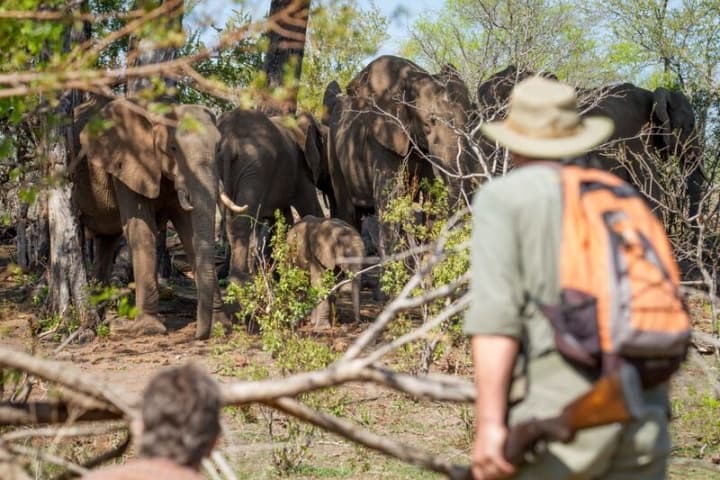
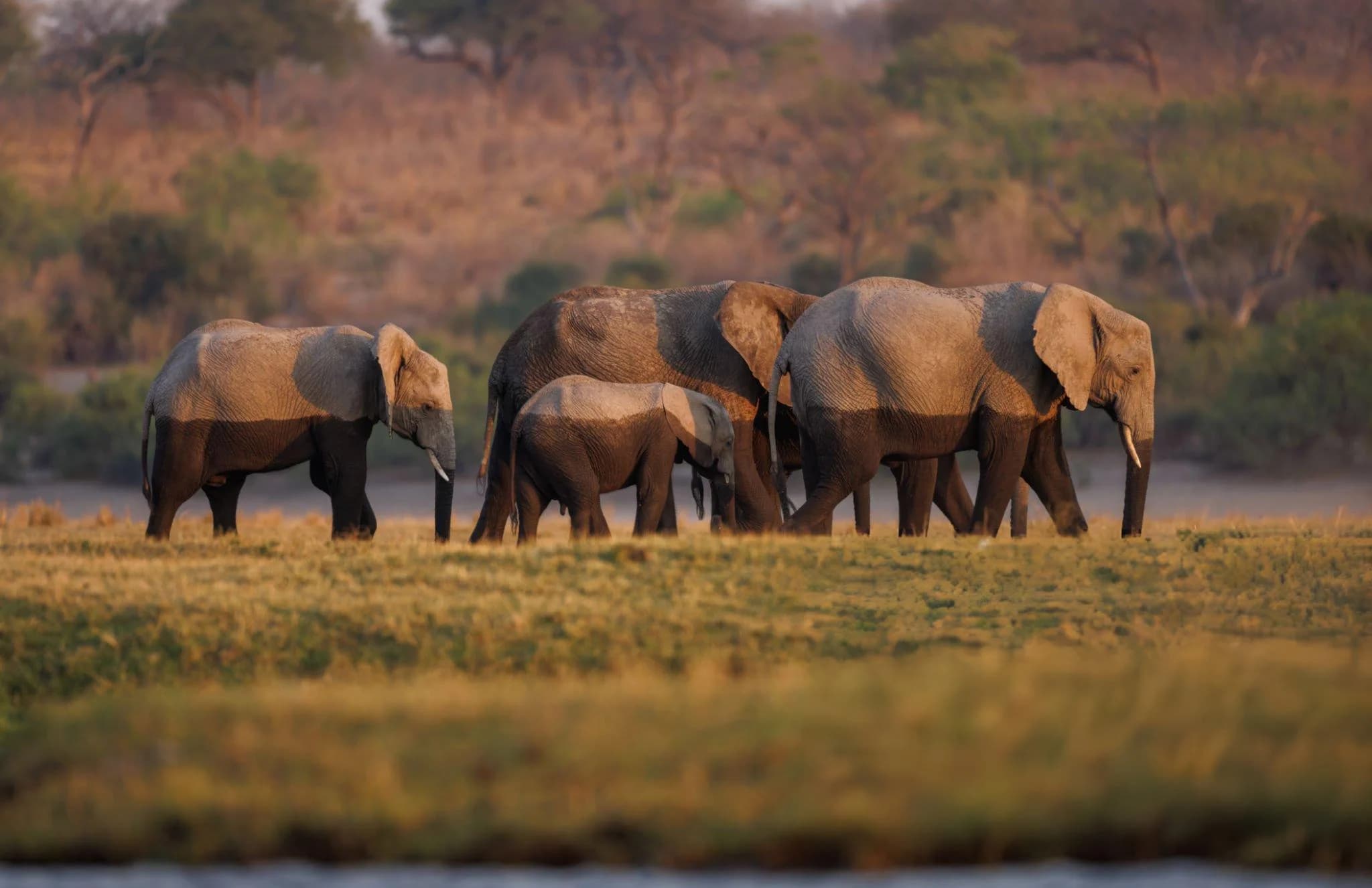
The first thing that hits you about Chobe National Park is the scale of it. It is not just that there are animals here; it is that they seem to own the place. When you stand on the riverbank and watch a herd of eighty elephants walk down to drink, you realize you are just a quiet spectator in their world. As Botswana’s first national park, this region is one of the most reliable wildlife areas in Southern Africa.
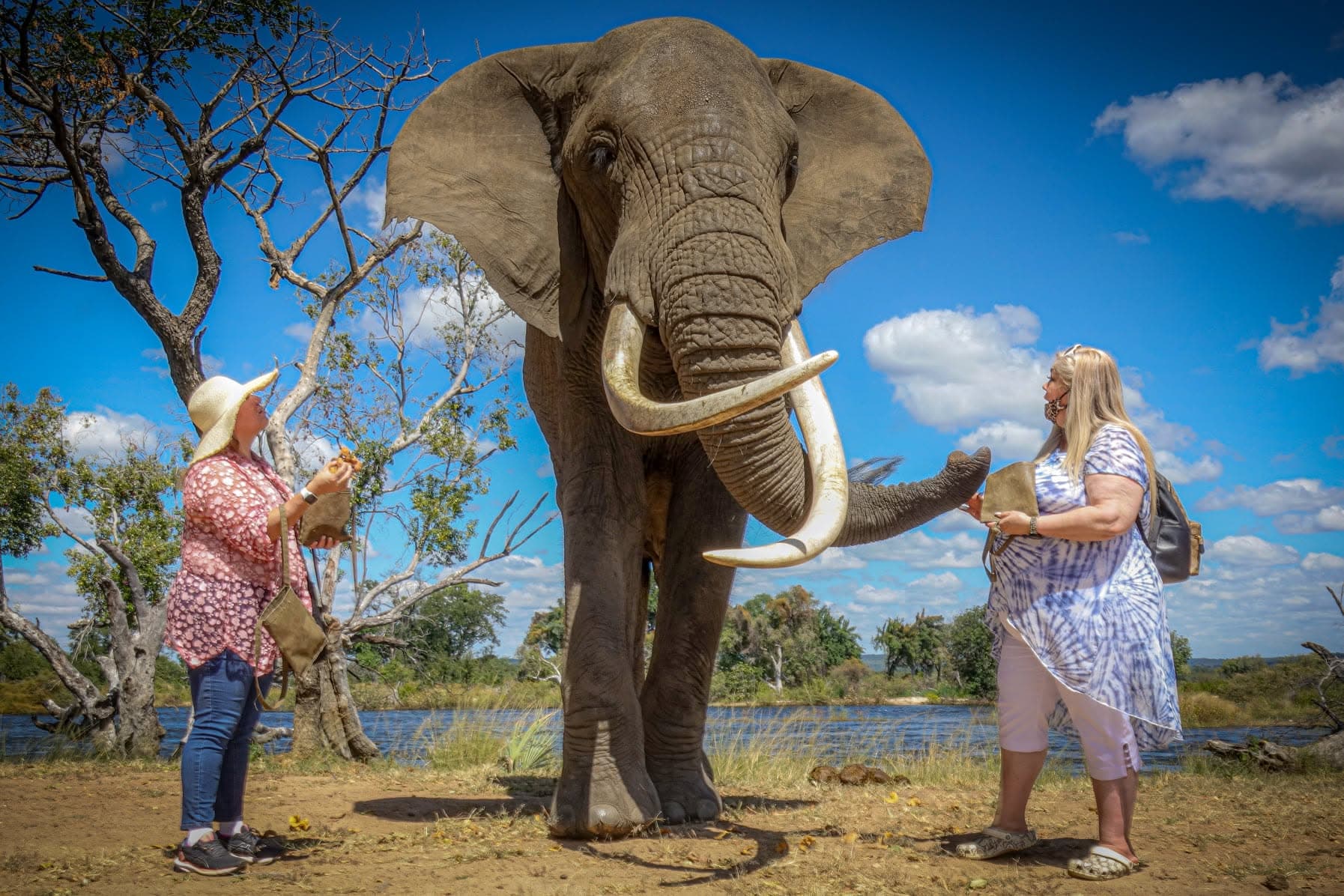
Chobe is famous for elephants, and for good reason. The park is home to one of the largest concentrations of elephants on the continent, with some estimates for the greater ecosystem reaching 120,000 individuals, as noted by the Global Alliance of National Parks. Seeing them swim across the river, using their trunks as snorkels, is one of those sights that stays with you forever. But the park’s biodiversity runs much deeper. It is a vital sanctuary for endangered African wild dogs, leopards, and vast herds of buffalo, along with over 450 species of birds.

Chobe is more than just a park; it is a critical part of the Kavango-Zambezi Transfrontier Conservation Area (KAZA TFCA), a massive conservation landscape that allows wildlife to roam across the borders of five different countries.
Understanding the four faces of Chobe
Chobe is not a single, uniform environment. It is a mix of four distinct ecosystems, and knowing the difference helps you plan a trip that matches your style.
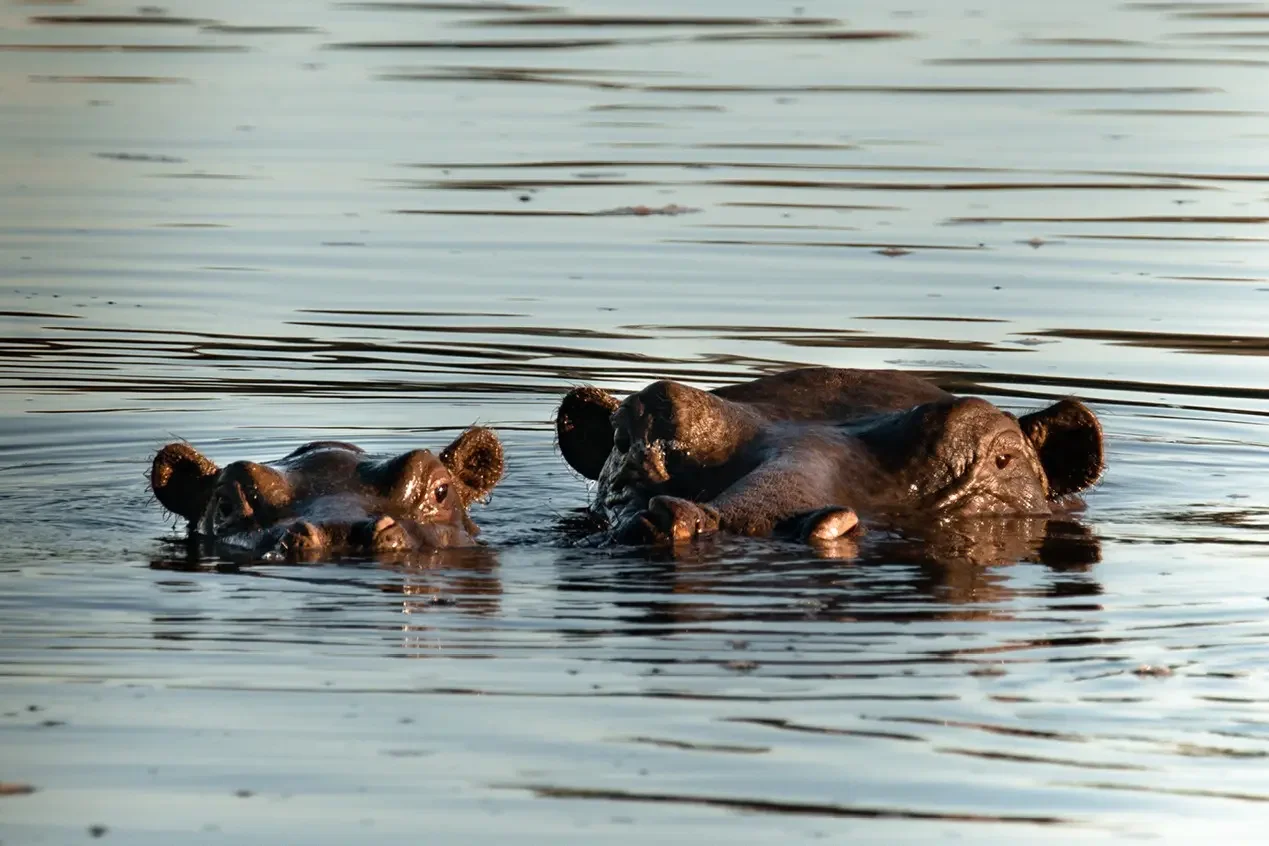
- The Chobe Riverfront: This is the park's most famous and accessible area, especially for visitors coming from nearby Victoria Falls or Kasane. The permanent water of the Chobe River supports a high density of wildlife, particularly in the dry season. It is where you will see elephants swimming and hippos jostling for space.
- The Savuti Marsh: A remote and legendary region in the west, Savuti is known for its dramatic predator sightings. The Savuti Channel has a strange history of flowing and drying up for decades at a time, creating a unique, dynamic grassland where lion prides and hyena clans compete.
- The Linyanti Wetlands: Bordering the western edge of the park, Linyanti is a quiet, pristine wetland system. It is less crowded than the Riverfront and offers a private safari feel, with excellent chances of spotting wild dogs, leopards, and elephants.
- Nogatsaa and Tchinga: This is the park’s quiet hinterland. A network of clay pans and grasslands, it is a less-visited area that offers a sense of true wilderness for those looking to get off the beaten path, particularly during the wet season.

The two ways to see Chobe: Land and water
One of the best things about the Chobe Riverfront is that you can experience the wilderness from two completely different perspectives. A well-planned trip should always include both.
By land: The classic game drive
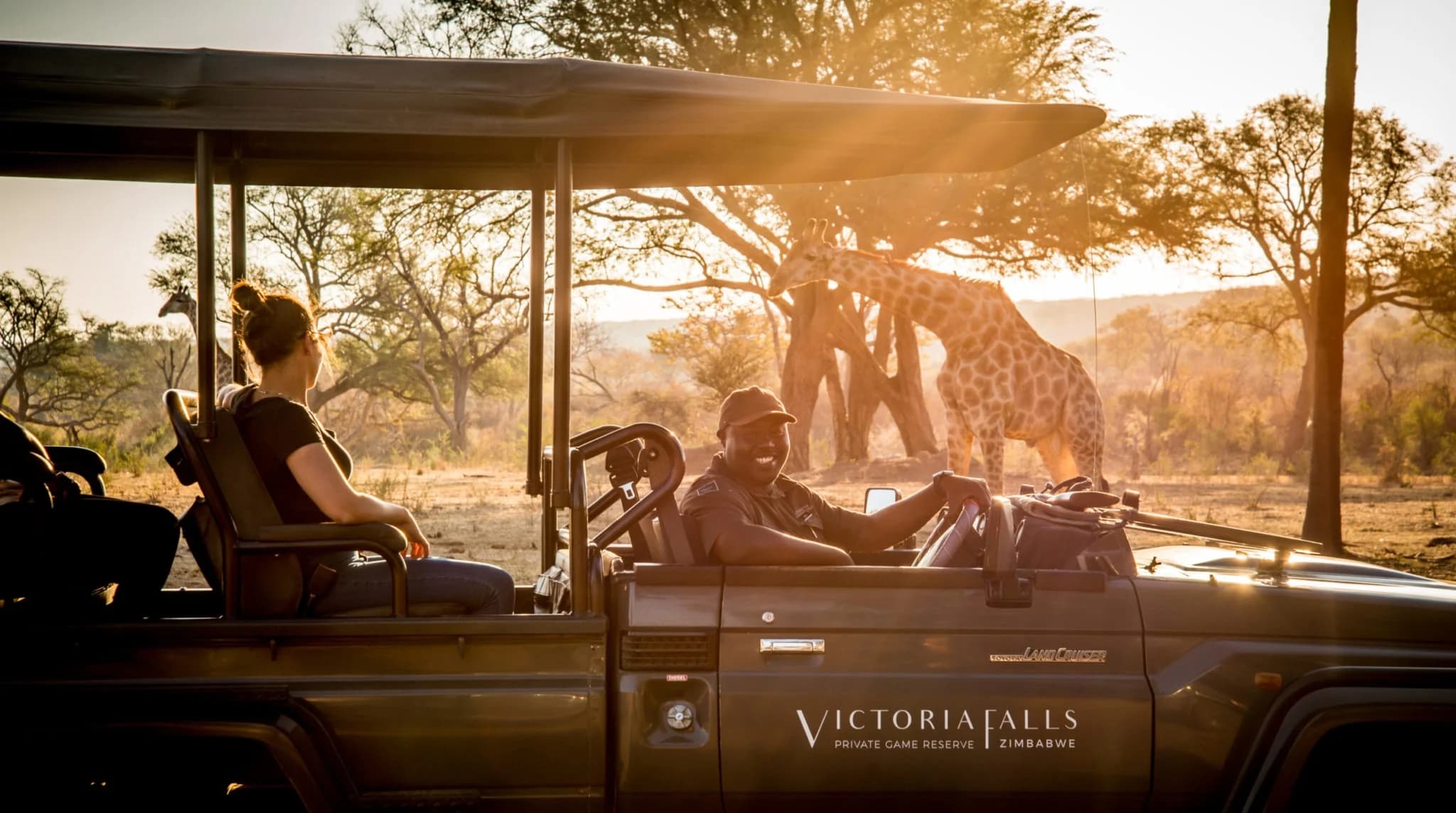
An open 4x4 safari vehicle gets you deep into the bush, tracking lions in the teak forests or watching giraffes browse acacia trees. It is the traditional way to cover ground and seek out the mammals that call the park home. The guides are experts at reading the signs of the bush, from fresh tracks on a sandy road to the alarm calls of a squirrel.
By water: The river safari
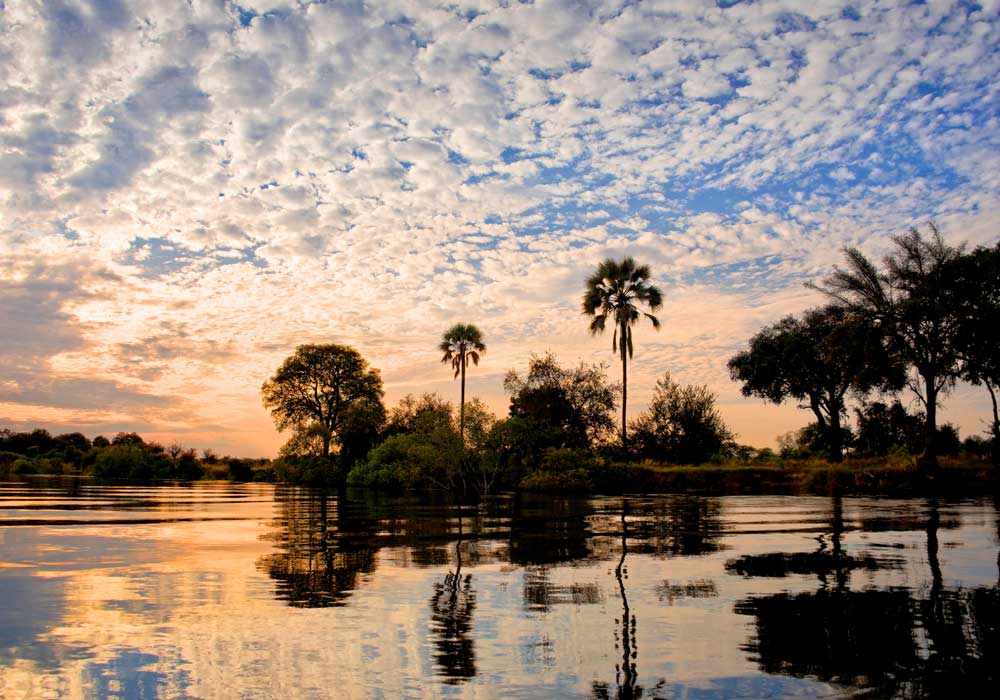
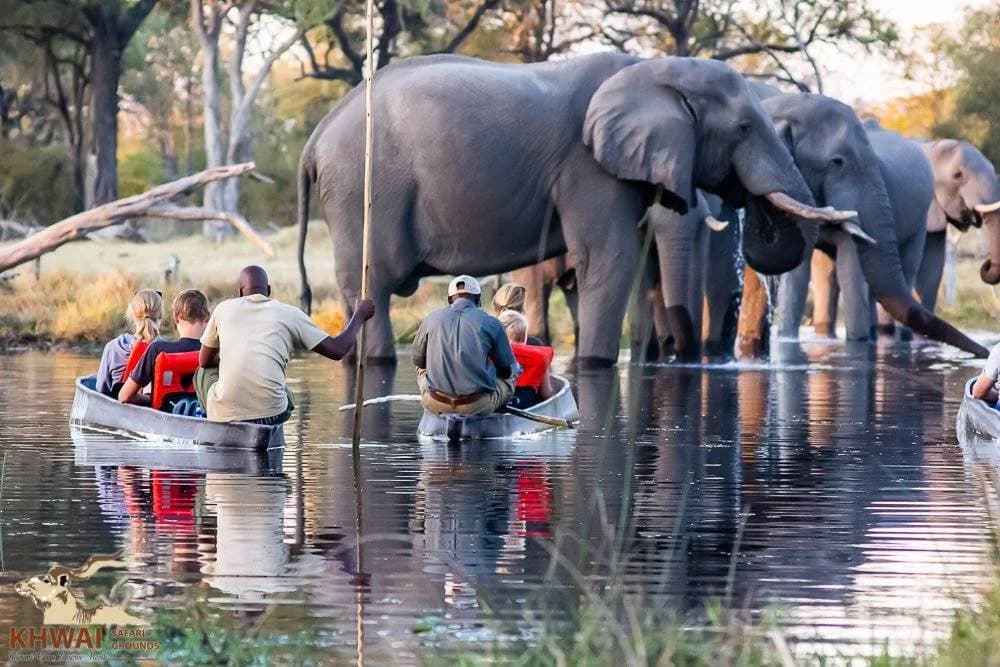
This is what truly sets Chobe apart. A boat cruise on the Chobe River offers an entirely different viewpoint. You can glide quietly past crocodiles sunning themselves on the banks, get eye-level with hippos, and watch herds of elephants come down to the water’s edge to drink, play, and swim across to the grassy islands. For photographers, the soft afternoon light on the water is unbeatable.
Let's Design Your Chobe Journey, Together.
We'll handle the logistics, match you with the right lodges, and ensure your trip is seamless from Victoria Falls to the Chobe River.
When is the best time to visit?
We often get asked about the best time to go. The honest answer is that it depends on what you want to see, and how you feel about crowds and pricing.
- The dry season (May to October): This is peak safari season. As inland water holes dry up, animals gather along the Chobe River, making for spectacular and predictable game viewing. The weather is mild and there is very little rain. The trade-off is that this is the busiest and most expensive time of year.
- The green season (November to April): The rains transform the landscape into a lush, green territory. It is the birthing season for many animals, so you have a great chance of seeing young impala, zebra, and warthogs. The birding is phenomenal, with migratory species arriving in full color. You will also find fewer crowds and better value on lodges, though heavy downpours can make some dirt roads muddy and difficult.

Practical tips for your Chobe safari
A little bit of planning goes a long way. Here are a few things to keep in mind:
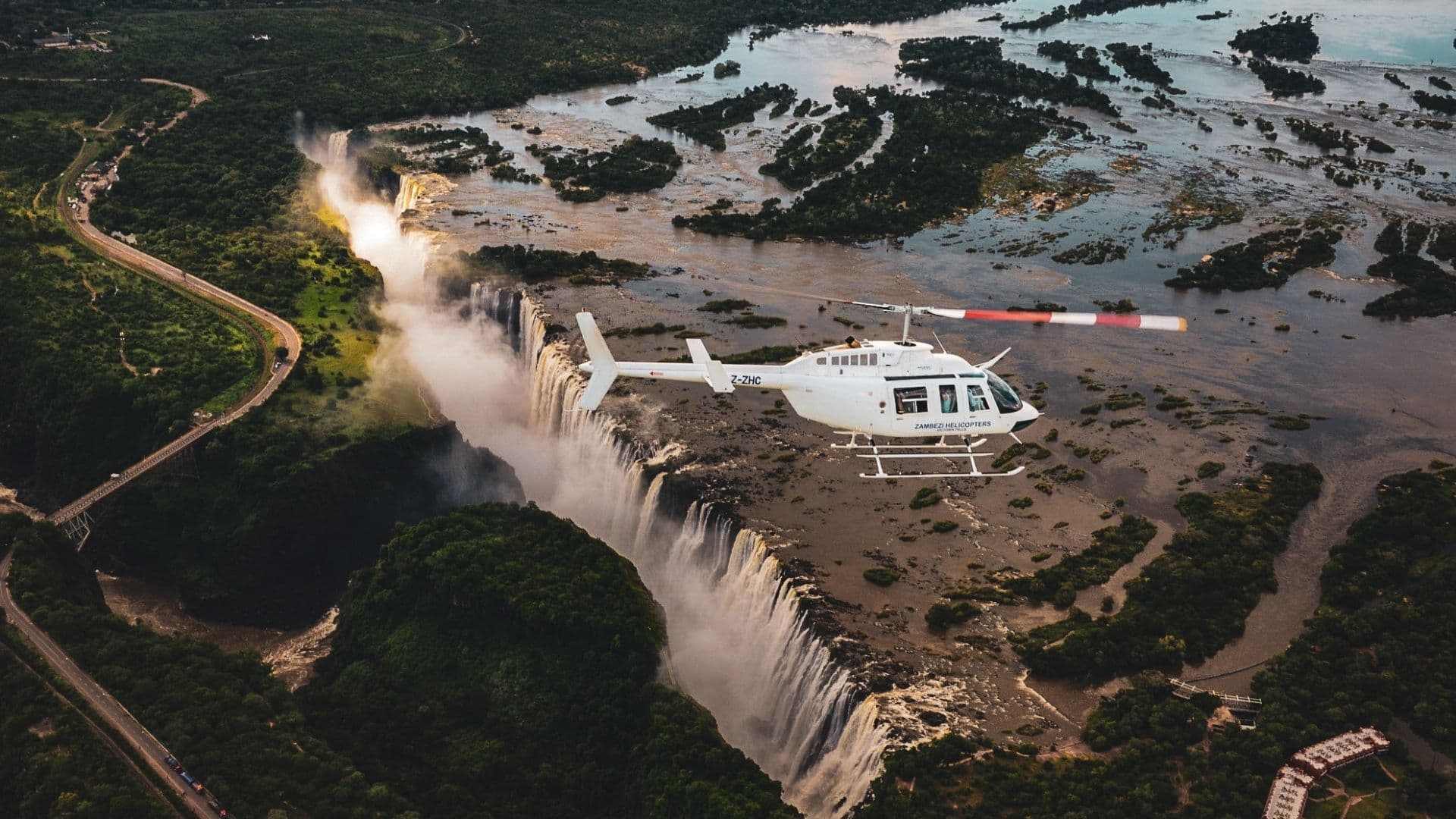
- Combine with Victoria Falls: Chobe is just a 90-minute drive from Victoria Falls, Zimbabwe. This makes it incredibly easy to combine the world's largest waterfall with a world-class wildlife destination. Many people opt for a day trip, but staying for a few nights allows you to explore the park more deeply.
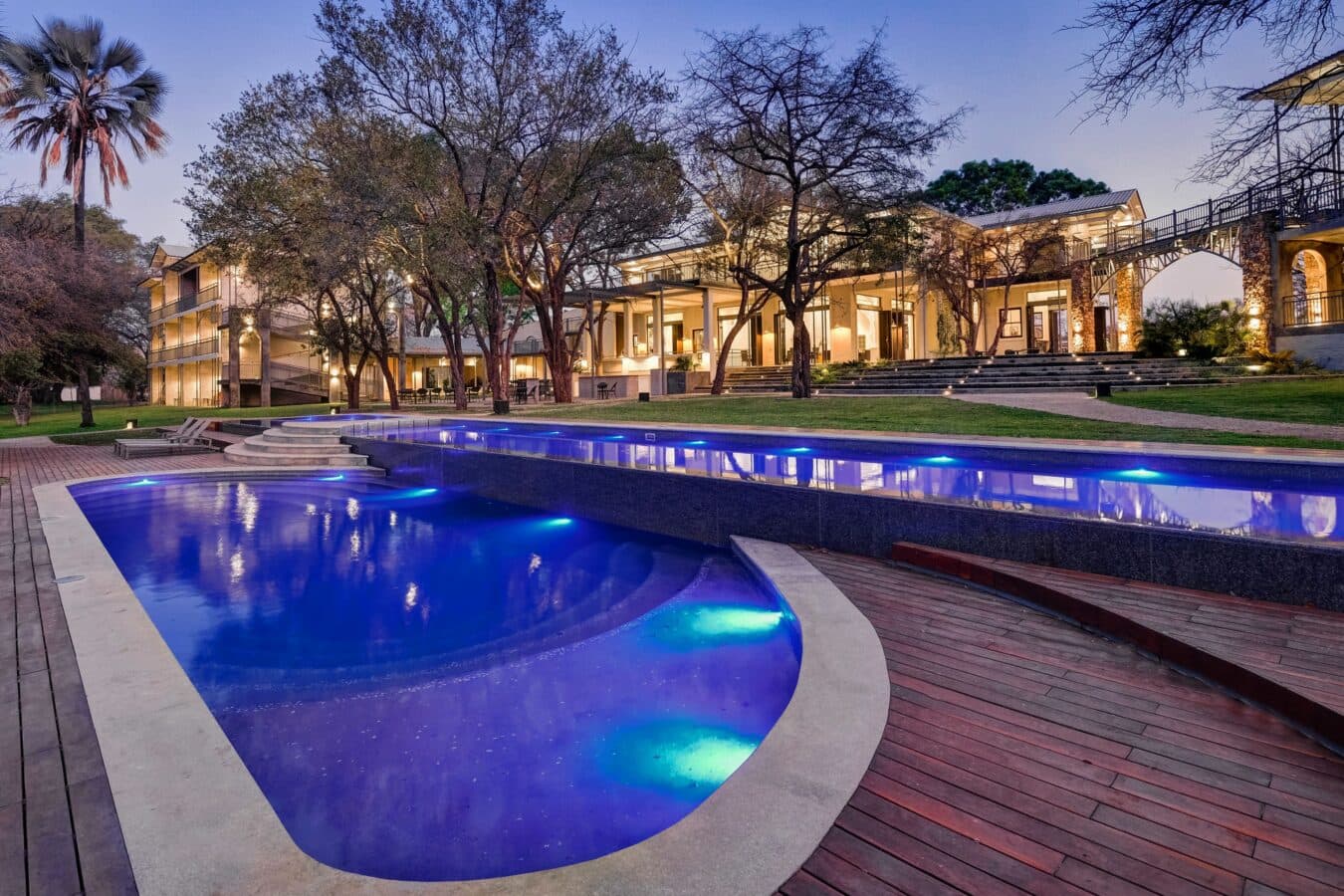
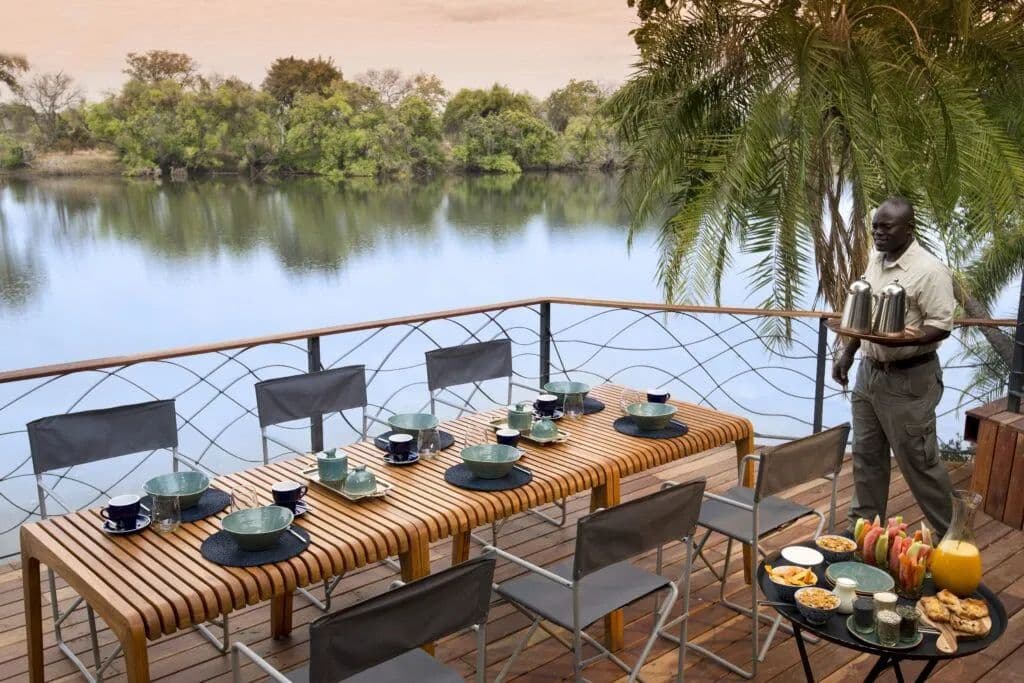
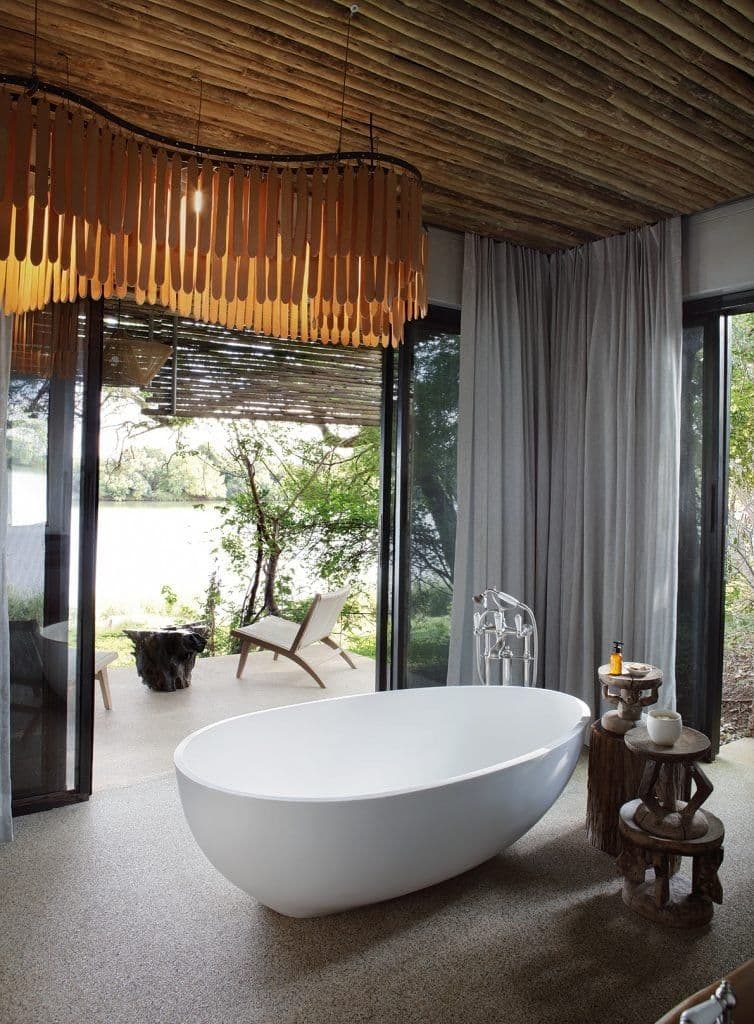
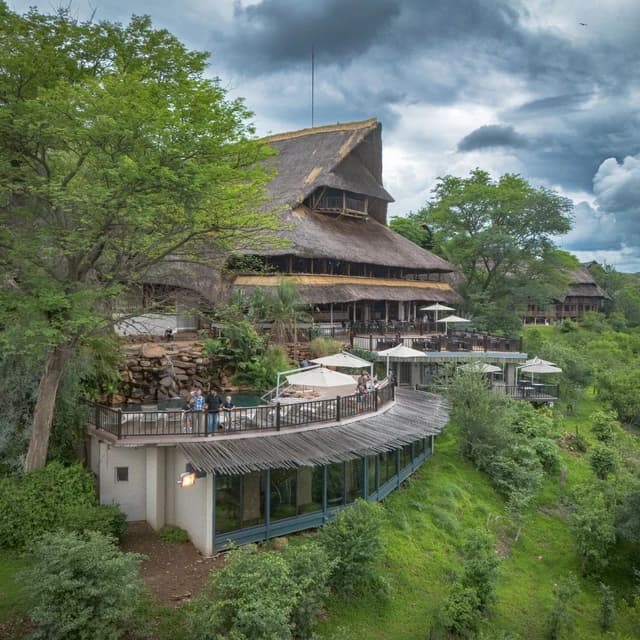
- Understand your accommodation options: You can stay in the town of Kasane, just outside the park gates, which offers a range of hotels and lodges at different price points. Or, you can stay in a camp or lodge located inside the park itself for a more immersive bush experience. Both have their advantages.
- Your visit supports conservation: Tourism is the engine of conservation in Botswana. Park fees and lodge stays directly fund anti-poaching efforts and habitat protection. As a key part of the KAZA initiative, a conservation success story highlighted by organizations like Discover Africa, your visit contributes to the long-term survival of this incredible ecosystem. Community Conservation Trusts also help ensure local people benefit directly from wildlife, as detailed by the UNDP.
Chobe National Park offers one of Africa’s most rewarding and accessible safari experiences. Whether you are on a dedicated wildlife journey or adding a safari to your Victoria Falls visit, its sheer density of life and the unique combination of land and water activities make it an unforgettable destination. The key is simply to have it planned well, so all you have to do is watch it all unfold.
Discussion (0)
No comments yet. Be the first to share your thoughts!
Leave a Comment