

“Choosing between a national park and a private reserve for your safari? We break down the key differences in cost, rules, and wildlife encounters to help you decide.
What Defines the National Park Safari?
A national park safari is an adventure on your own terms. These are vast, state-owned wilderness areas—like South Africa's Kruger National Park or Zimbabwe's Hwange National Park—managed both to conserve the landscape and welcome the public. That accessibility is what sets them apart.
The Freedom and the Rules
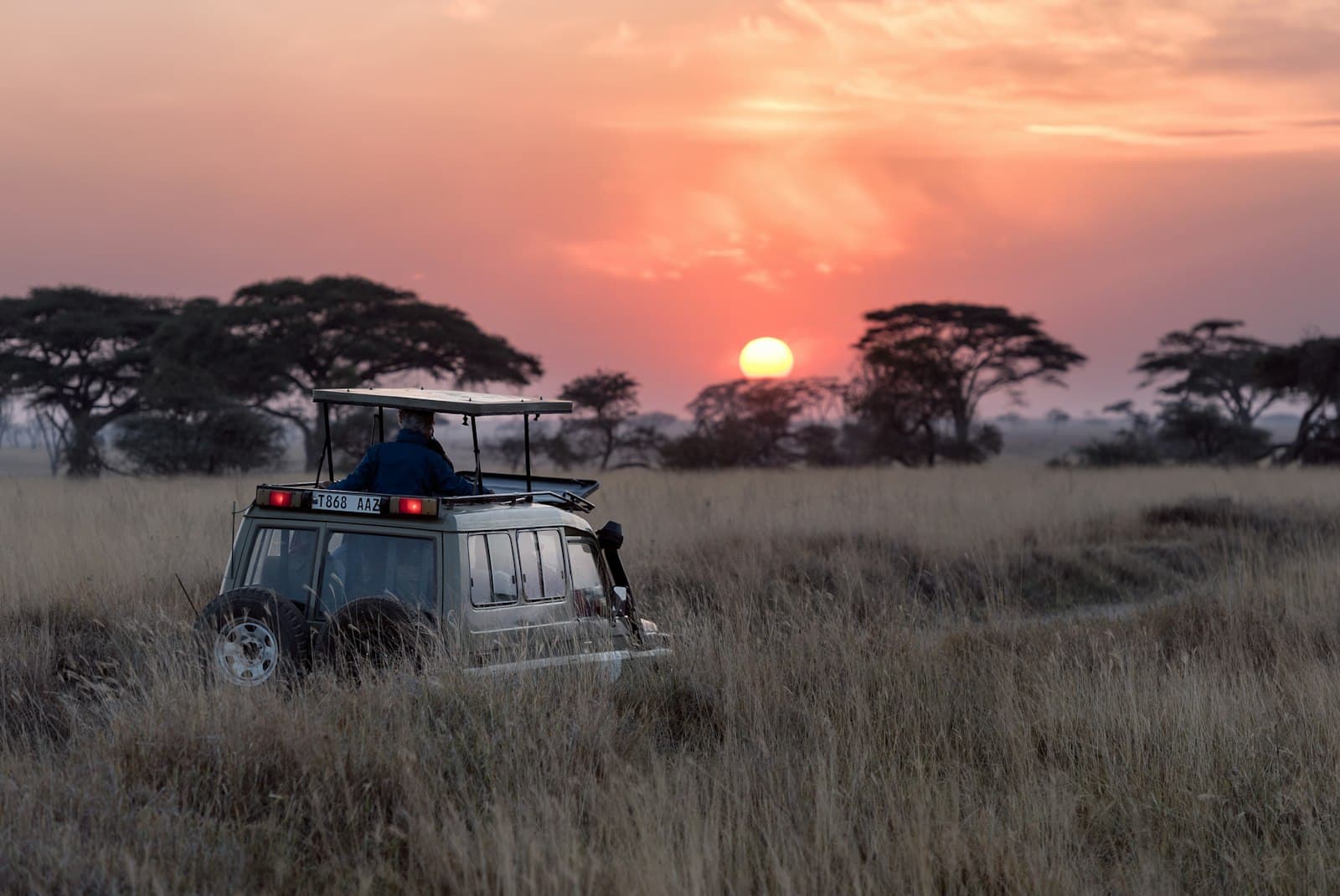
For many, the biggest draw of a national park is the freedom to explore at your own pace. With a good network of roads, you can self-drive, deciding when to start your day, which track to take, and how long to watch an elephant herd. But that freedom comes with firm rules: you must stay on marked roads, be back at camp before the gates lock at night, and only get out of your car in designated spots. During busy seasons, be prepared for a “lion jam”—popular sightings can attract a queue of vehicles.
Accommodation and Budget
National parks are built for accessibility, and that includes accommodation. This is where you'll find the most budget-friendly safari options, with basic campsites sometimes starting as low as US$17 per person per night. Options range from simple campsites to self-catering chalets and larger rest camps with restaurants and shops. The focus is on clean and practical, not five-star luxury.

Inside the Private Game Reserve
Right next door to many famous national parks are private game reserves. These are privately owned lands, often sharing an unfenced border with the park, allowing wildlife to roam freely between them. Reserves like the Sabi Sands next to Kruger are a prime example. The safari experience, however, is a world apart.
Exclusivity and Unrestricted Viewing
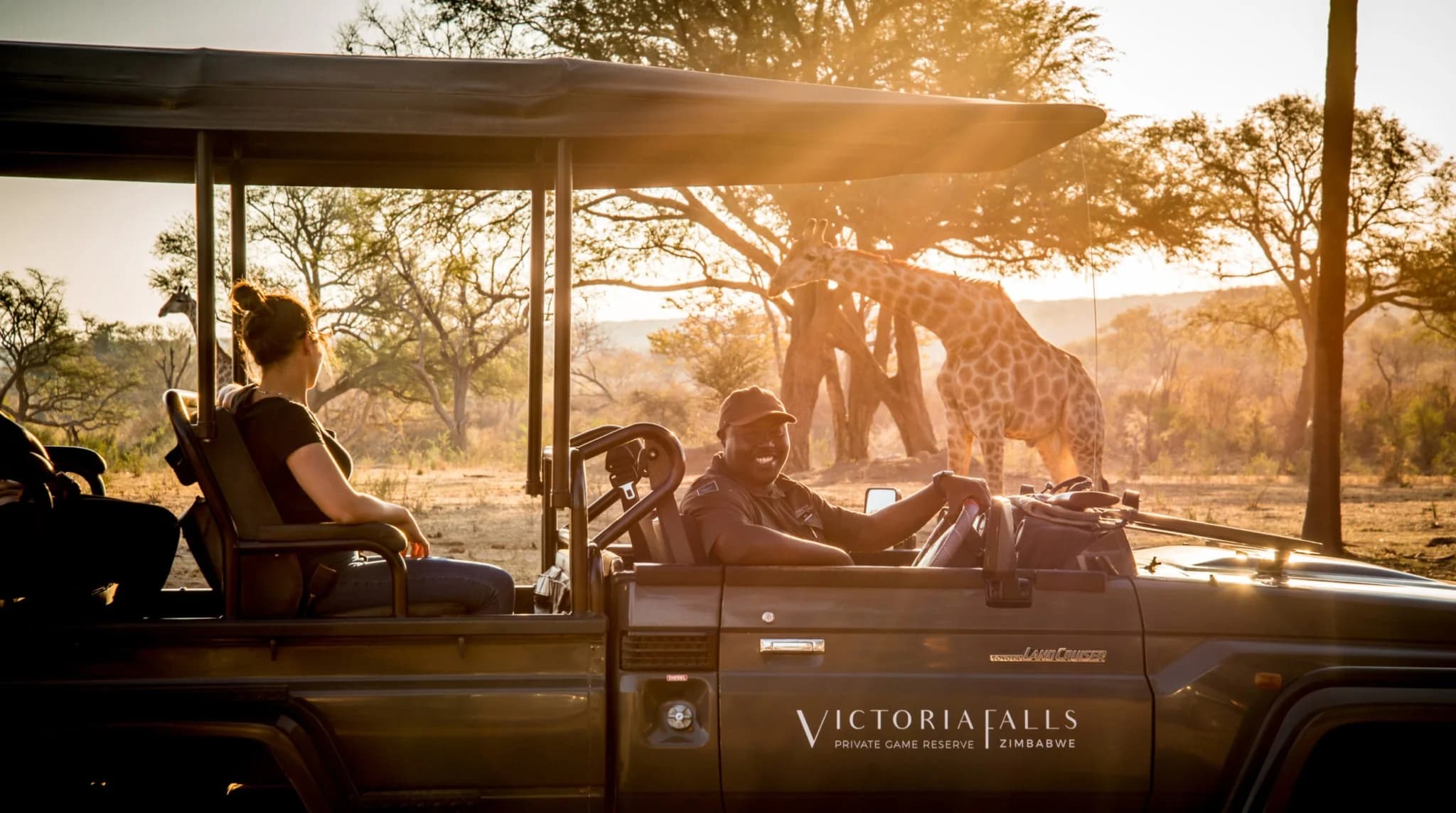
The promise of a private reserve is exclusivity. With a limited number of lodges and guests, it feels like you have the wilderness to yourself. As travel experts at Go2Africa detail, the real game-changer is that guides can drive off-road to track animals and get you much closer to the action. This makes all the difference for photographers and anyone wanting an intimate sighting. You can also do things that are off-limits in national parks, like guided night drives and walking safaris, which introduce you to a whole world of nocturnal creatures.
Beyond tourism, private reserves are conservation powerhouses. In South Africa alone, they collectively manage over 20 million hectares of land — significantly more than national parks — providing vital habitats and funding crucial anti-poaching efforts.
All-Inclusive Luxury and Expertise
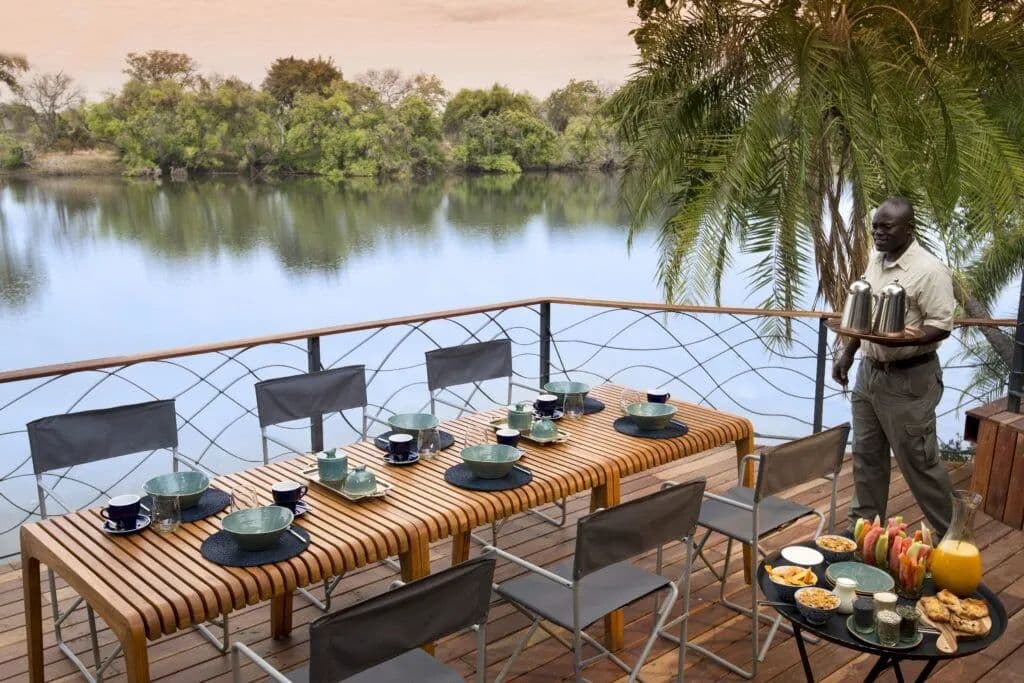
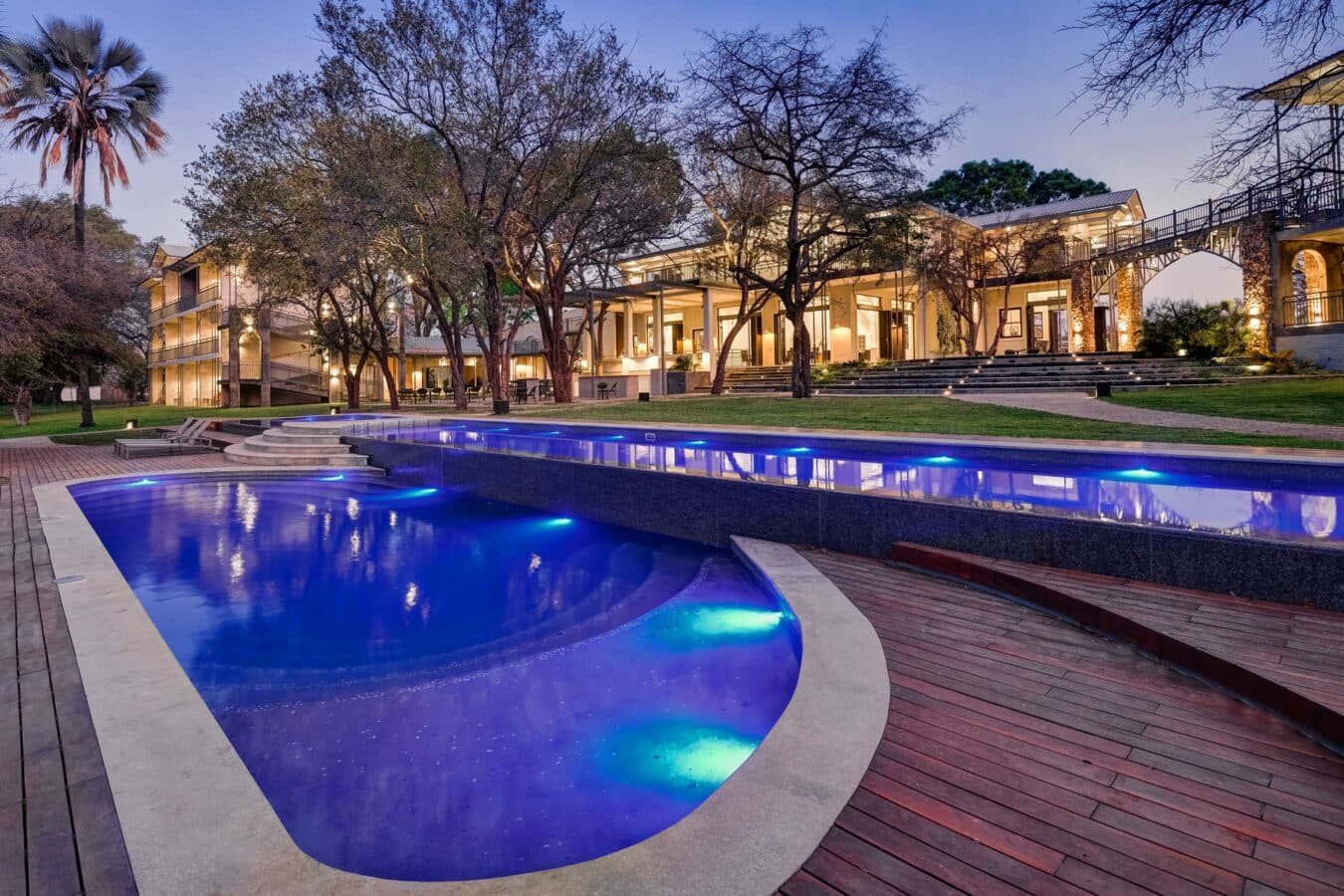
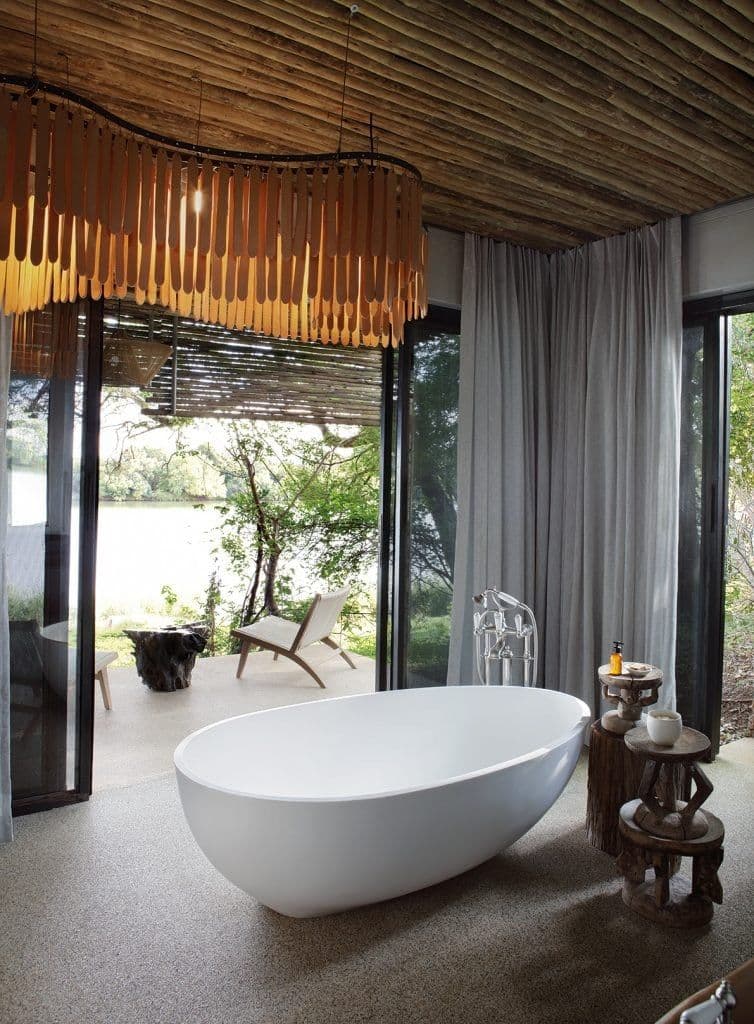
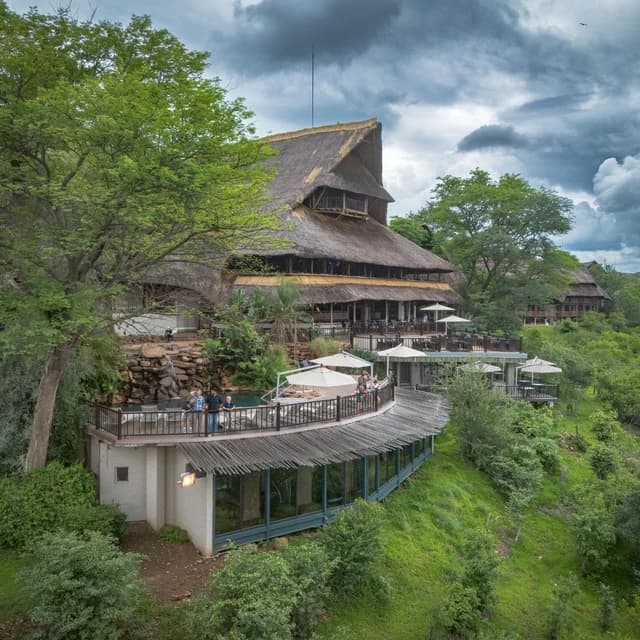
Private reserves typically operate on an all-inclusive basis. That nightly rate, which can range from US$660 to well over US$1,500, covers your luxury suite, gourmet meals, drinks, and most importantly, your dedicated guide and tracker. These are highly trained professionals who don't just find wildlife; they read the bush, interpreting tracks and sounds to turn a simple game drive into a living story.
Design a Safari That's Right for You
Let our on-the-ground experts craft a seamless itinerary that balances adventure and comfort, perfectly matching your budget and style.
Your Safari Checklist: Park vs. Reserve
There’s no single “best” choice, only the best fit for you. Use this quick guide to see which style matches your trip.
- Budget: If you're looking for an affordable getaway and are happy to self-cater, a National Park is the clear winner. If your budget allows for an all-inclusive, premium experience, a Private Reserve delivers incredible value.
- Travel Style: Love the independence of a road trip and finding wildlife on your own? Choose a National Park. Prefer a relaxed, expertly guided safari where every detail is handled for you? A Private Reserve is your perfect match.
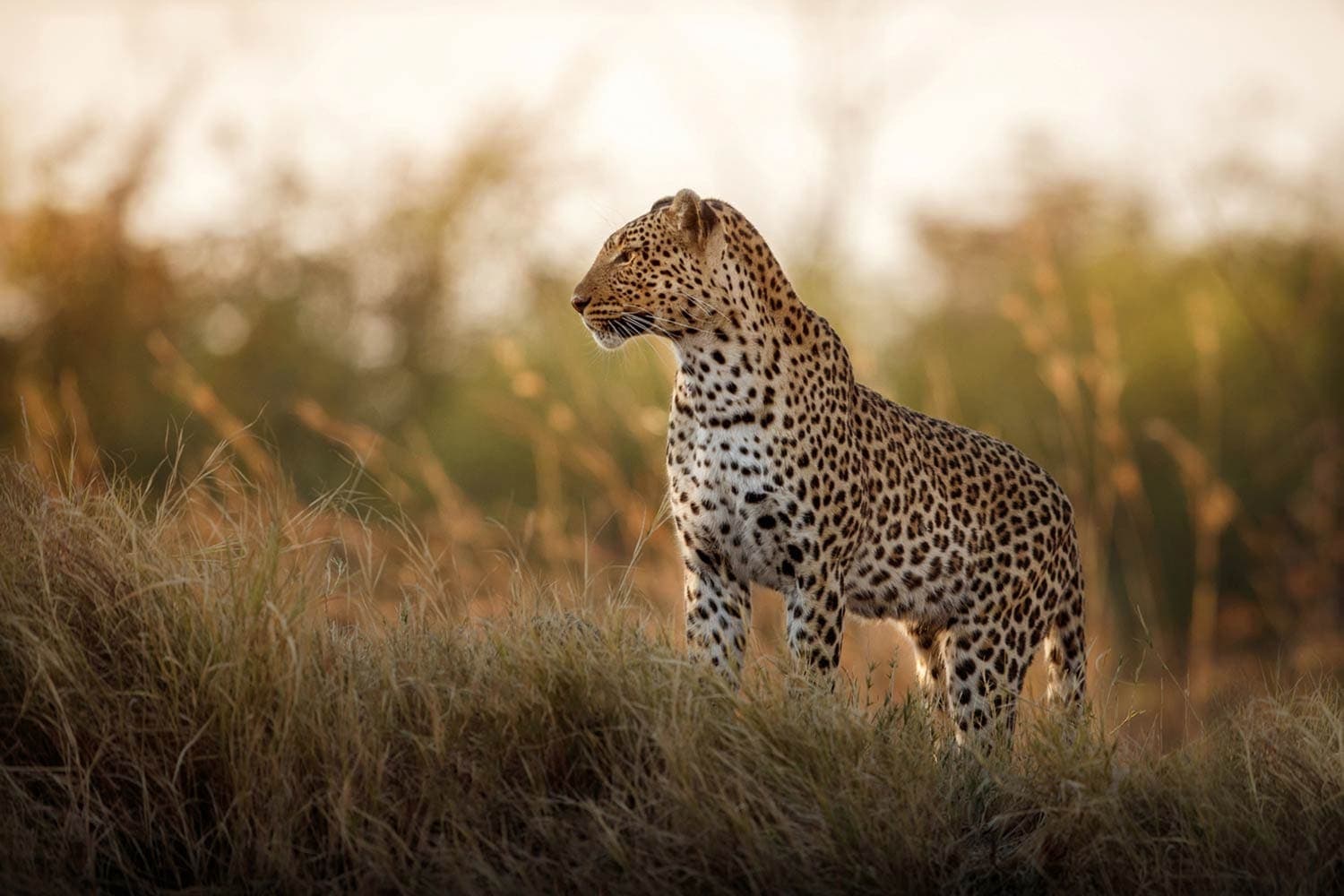
- Wildlife Encounters: While both offer fantastic sightings, Private Reserves have the edge for intimacy. Off-roading gets you closer, and lower vehicle numbers mean you aren't jostling for a view. Night drives also boost your chances of seeing elusive predators like leopards.
- Activities: For variety beyond game drives, Private Reserves are unmatched. Guided bush walks, night drives, and starlit 'boma' dinners are all part of the classic reserve experience.
- Photography: If you’re serious about your photos, choose a Private Reserve. Your guide can go off-road to find the best light and angle, ensuring no other vehicles get in your shot.

The Best of Both Worlds: Why Not Combine Them?
Many of the best Southern African itineraries don't force you to choose. Instead, they combine both experiences for a richer, more complete perspective on the bush. You could spend a few days self-driving through the epic landscapes of a national park, then move to a private reserve for a few nights of pampered, expert-led immersion.
This approach gives you the unique strengths of each model: the rugged adventure and the refined luxury, the personal discovery and the guided insight. It's a strategy many travelers find offers the perfect balance. Ultimately, whether you choose the public roads or the private tracks, you are contributing to the conservation of Africa's most precious wild spaces. The right choice is the one that matches your dream safari.
Discussion (0)
No comments yet. Be the first to share your thoughts!
Leave a Comment