

“Planning your first safari? As experts on the ground in Victoria Falls, we've answered the most common questions about timing, packing, safety, and what a day on safari actually looks like.
Planning a safari, especially your first, brings up a lot of questions. We know because we get them every day. From our base in Victoria Falls, we help travellers figure out the best time to visit, what to pack, and what to expect on the ground. This isn't generic advice. These are practical answers to the most common questions we hear, designed to make your planning straightforward so you can focus on the adventure ahead.
When is the best time of year to go on safari?
This is the number one question we get. The right time for your safari depends entirely on what you're hoping for. Southern Africa has two distinct seasons, and each offers a completely different experience.
The Dry Season (May to October): This is classic safari season for a reason. Water is scarce, so animals gather around the few remaining rivers and waterholes, making them much easier to find. The bush is less dense, visibility is excellent, and the weather is fantastic—think warm, sunny days and cool, clear nights. As travel guides like Enchanting Travels point out, it's prime time for game viewing.
The Green Season (November to April): Don't overlook the "emerald" season. The rains bring the landscape to life, turning everything lush and green. It's birthing season for many species, so the plains are full of young animals. It's also a paradise for birders, with migratory species arriving in full colour. Game viewing can be a bit more challenging in the thicker bush, but the trade-offs are dramatic stormy skies, fewer vehicles, and often better rates.
What should I pack for a safari?
Packing for safari is all about comfortable, practical layers. Mornings on an open vehicle can be cold, even in summer, but by midday, you'll be grateful for lighter clothes.
- Neutral Colours: Stick to khaki, beige, olive, and grey. Bright colours can spook wildlife, while dark blues and blacks are known to attract tsetse flies in certain areas.
- Layers are Key: Pack light shirts (long and short-sleeved), a warm fleece or jacket for the evenings and early mornings, and comfortable trousers or shorts.
- Sun Protection: A wide-brimmed hat, sunglasses, and a strong sunscreen are essential. The African sun is no joke.
- Good Shoes: You don't need heavy-duty hiking boots unless you're doing serious walking safaris. For most trips, a pair of comfortable trainers or walking shoes is perfect for the bush, with sandals for relaxing at the lodge.
- Your "Eyes": A good pair of binoculars is the single best thing you can bring to enhance your safari. And of course, your camera, with extra batteries and memory cards.
- Soft-Sided Luggage: This is a big one. If your itinerary includes any small charter flights, you'll face strict weight limits. A soft duffel is much easier for pilots to fit into the small luggage hold of a bush plane.

Is a safari safe?
Yes, absolutely. A guided safari is an incredibly safe way to see wildlife. Your guide's primary job is to keep you safe, and they are experts in animal behaviour. The most important rule is also the simplest: listen to your guide.
They'll tell you when it's safe to stand up in the vehicle and when you must stay seated. They'll escort you around camp at night and ensure you understand the camp rules. The animals in the national parks see safari vehicles every day and treat them as a noisy, uninteresting part of the scenery. As long as you stay inside and don't make sudden movements or loud noises, you're just a quiet observer.
On the health side, we always recommend you chat with your doctor before you travel about any necessary vaccinations or malaria precautions. Resources like Adventure Life offer good general advice, but your doctor will know your personal health needs best.
How long should my safari be?
While it depends on your budget and schedule, our best advice is not to rush it. A safari is best when you have time to slow down and let the bush reveal its secrets.
- 3-5 Days: This is a great taster, perfect for focusing on a single area like Victoria Falls and Chobe National Park. It works well as an add-on to a longer trip in the region.
- 7-10 Days: This is the sweet spot for a first-timer. It gives you enough time to explore two or three different areas—like Hwange, Victoria Falls, and the Chobe riverfront—without constantly being on the move.
- 12+ Days: If you have the time, a longer itinerary allows for a truly immersive journey. You can combine different countries, ecosystems, and experiences, from the waterways of the Okavango Delta to the remote wilderness of Mana Pools.
Turn these answers into your perfect itinerary.
Let our on-the-ground experts handle the details, from booking the right lodges to creating a seamless, unforgettable safari.
How does my trip help wildlife conservation?
This is a fantastic question. The great news is that responsible tourism is one of the most effective tools for funding conservation in Africa. Your safari makes a direct, positive impact.
The park fees and conservation levies included in your trip costs are the lifeblood for wildlife authorities like the Zimbabwe Parks and Wildlife Management Authority. This funding pays for ranger salaries, supports anti-poaching units, and finances critical research and habitat management.
By visiting, you assign economic value to these wild places, giving local communities and governments a powerful incentive to protect them. As the International Fund for Animal Welfare (IFAW) has reported, tourism is vital for conservation success. When you travel with a reputable company, you're not just a tourist; you're a partner in preserving Africa's wildlife for generations to come.

What is a typical day on safari like?
A day on safari follows the rhythm of the animals. You're most active when they are: in the cool hours of the early morning and late afternoon.
- Early Morning (around 5:30 AM): Your day starts with a quiet wake-up call and a quick coffee and biscuit before heading out.
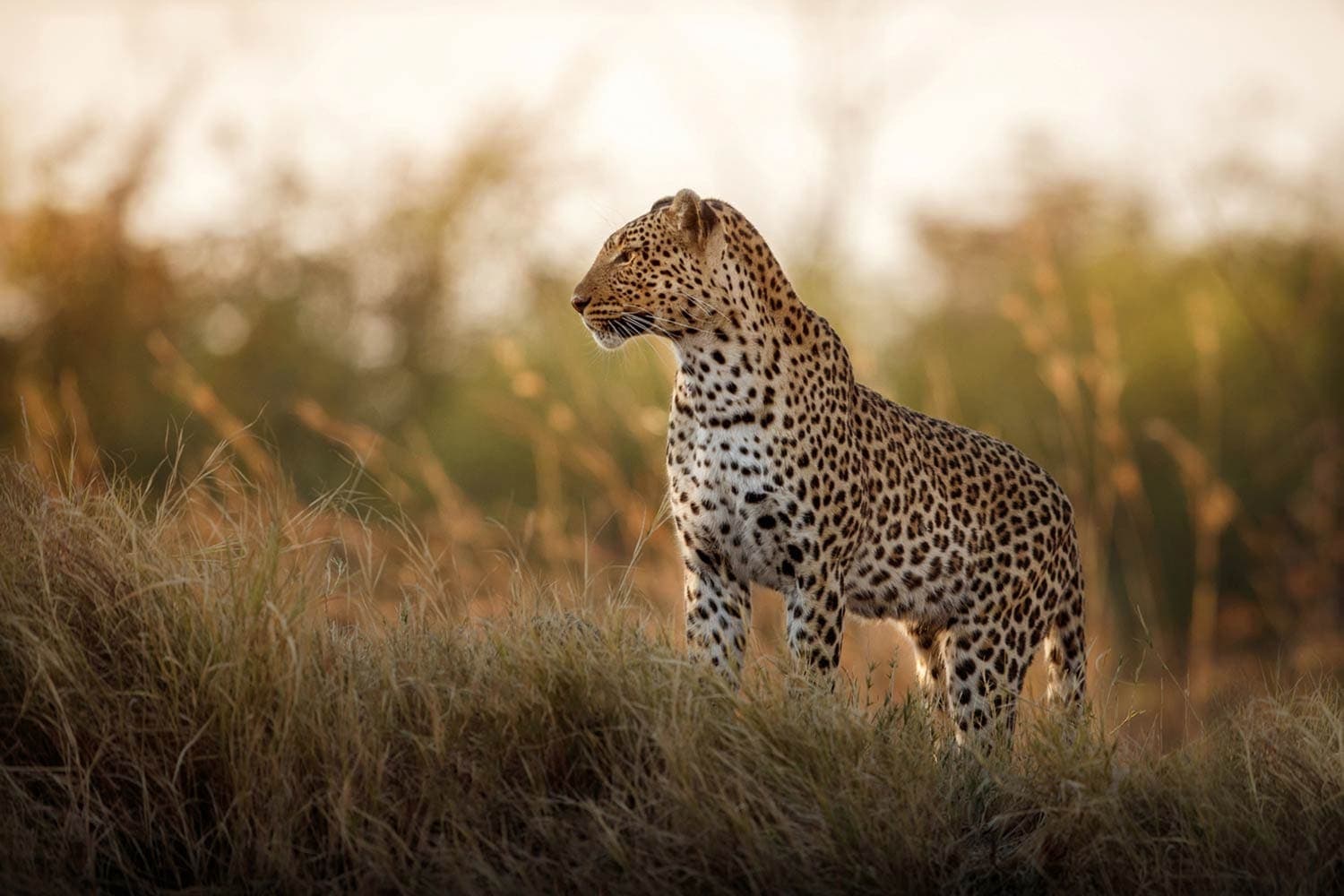
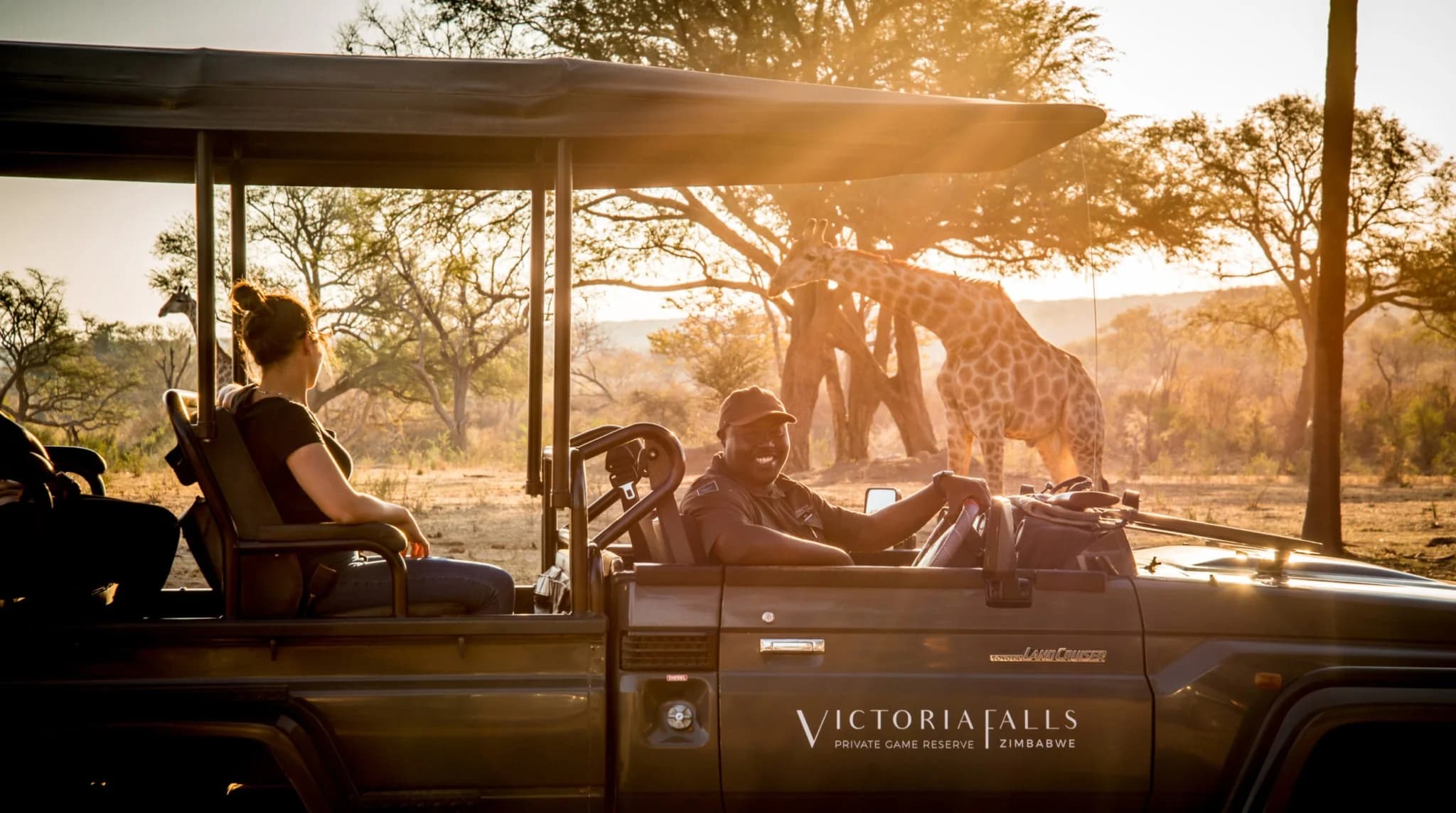
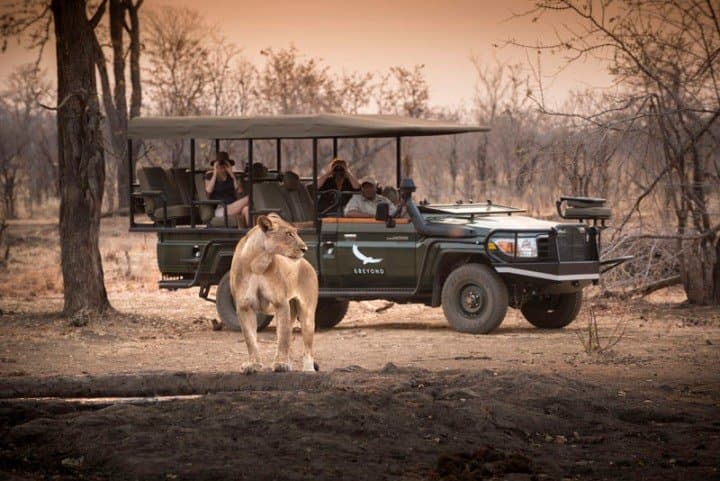
- Morning Game Drive (6:00 AM - 10:00 AM): You'll be in the 4x4 as the sun rises. This is a prime time for predators who may still be active after a night of hunting.
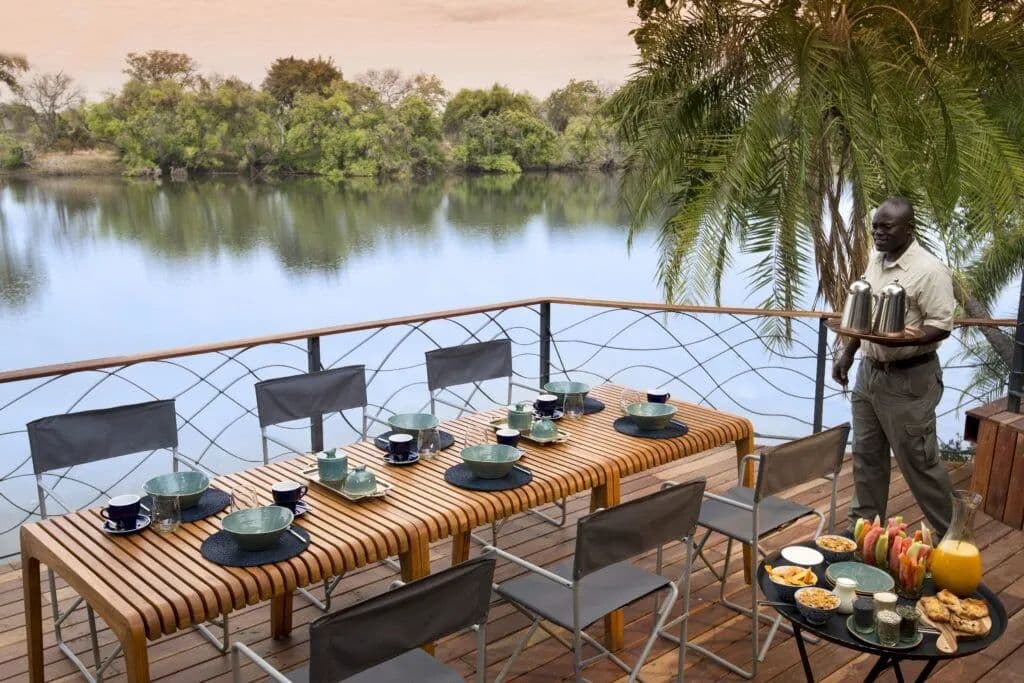
- Midday (10:00 AM - 3:30 PM): As the day heats up, you'll head back to the lodge for a big brunch or lunch. The hottest part of the day is yours to relax—nap, read by the pool, or watch the animals from the deck.
- Afternoon Activity (4:00 PM - 6:30 PM): After tea and cake, you head out again for your afternoon game drive. The light gets golden, and the animals start to move again. This drive usually ends with a classic safari ritual: "sundowners," or drinks and snacks in a scenic spot as you watch the sunset.
- Evening (from 7:00 PM): Back at the lodge, you'll have time to freshen up before dinner. It's a great time to sit around the fire, share stories with other guests, and listen to the sounds of the African night.
This routine perfectly balances exciting wildlife viewing with genuine relaxation. Planning ahead is key to securing a spot at the best lodges, especially in peak season, a tip often shared by safari planners like Go2Africa.
We hope these answers help clear things up. A great safari is built on good planning and local knowledge. Getting these details right is what turns a good trip into an unforgettable one.
Discussion (0)
No comments yet. Be the first to share your thoughts!
Leave a Comment