






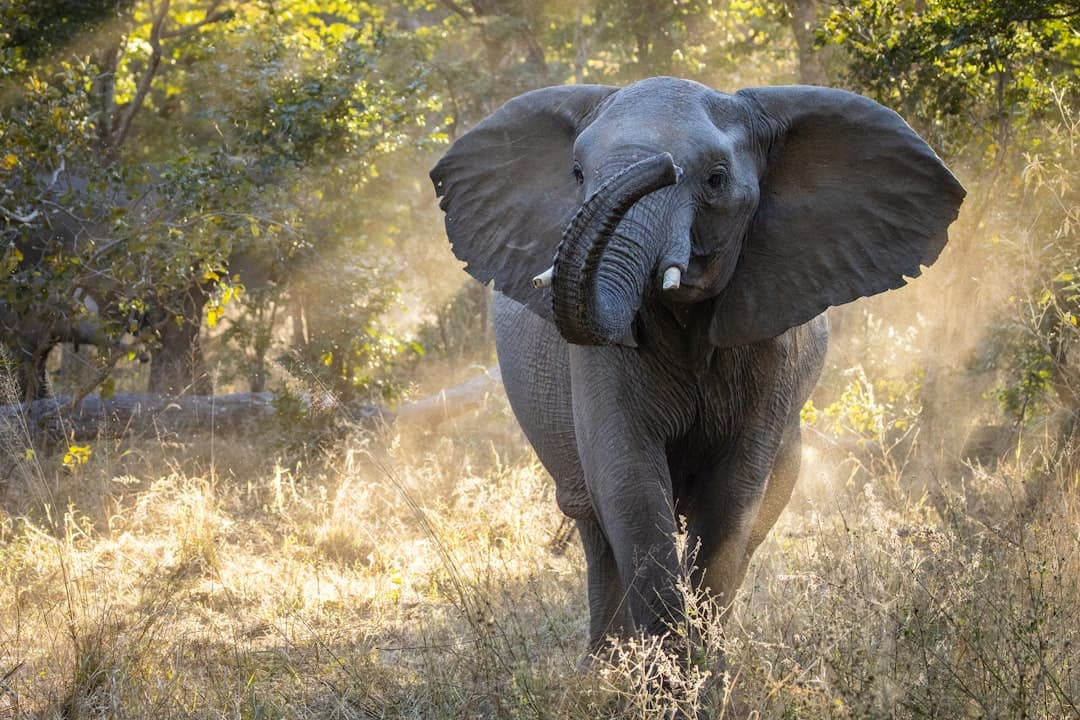
“The 'Big Five' was a hunting term, not a wildlife guide. Chasing this checklist can lead to stressful 'Ferrari Safaris' and harm local ecosystems. Discover a better, more authentic way to connect with the African bush.
The question almost always comes within the first ten minutes of a game drive. A guest leans forward, buzzing with excitement, and asks their guide, “So, where are the lions? Can we see a leopard today?” It’s a completely understandable question. For many, an African safari is a once-in-a-lifetime trip, and seeing its most famous animals is a huge part of the dream. But this eagerness hides a mindset that’s actually making safaris less magical and, more alarmingly, harming the very ecosystems we travel so far to see. This is the tyranny of the “Big Five” checklist.
This laser focus on a handful of species turns a journey of discovery into a high-stakes scavenger hunt. It reduces the magnificent, complex web of the African bush to just five animals, ignoring everything that supports them. It’s what many now call the “Ferrari Safari”—a frantic, high-speed race from one sighting to the next, leaving behind dust, stressed wildlife, and a long trail of missed opportunities. It's time to ask a tough question: is our obsession with ticking five boxes robbing us of the real Africa?
The Hollow Crown: Deconstructing the “Big Five” Myth
To fix the problem, you have to know where it came from. The term “Big Five”—lion, leopard, elephant, rhinoceros, and Cape buffalo—sounds ancient, as if it were handed down by the wilderness itself. The reality is far more violent and much less romantic. It has nothing to do with an animal’s size or ecological importance.
What is the “Big Five” and Where Did It Come From?
The term is a relic of colonial big-game hunting. As publications like African Safari Mag detail, hunters coined the phrase to identify the five most dangerous animals to hunt on foot. These were the animals most likely to charge, to fight back, and to kill the hunter. The “Big Five” was a list of adversaries, a testament to a hunter’s supposed bravery. It was born from conquest, not conservation.
Then, in a stroke of marketing genius, the 20th-century safari industry repurposed this list for photographic tourism. It was catchy, simple, and gave travelers a clear goal. The campaign was a massive success, cementing the Big Five into the global consciousness as the ultimate safari prize. But by sanitizing its violent origins, we lost the context. We adopted a hunter’s bragging rights as a tourist’s bucket list without ever questioning if it made sense.
The Checklist Mentality: From Connection to Conquest
The result is a total shift in how people approach a safari. Instead of arriving with open curiosity, many come with a non-negotiable agenda, pre-filtered through the lens of five animals. A lion sighting is a “success,” while an hour spent watching a troop of baboons groom each other is just a “quiet patch” or, even worse, a waste of time.
This checklist creates a constant, low-level anxiety. Every minute not spent with a lion or rhino feels like a loss. It puts immense pressure on safari guides, who are often judged not on their deep knowledge of the ecosystem or their tracking skills, but simply on their ability to produce the Big Five on demand. This can lead to guides radioing each other to crowd a single sighting or pushing the ethical boundaries of how we interact with wildlife.
For the traveler, this creates a shallow, transactional experience. You see the lion, take the picture, tick the box, and move on. The deep, thoughtful connection a safari promises is lost. You miss the smaller dramas: the flash of a lilac-breasted roller, the tireless work of a dung beetle, the alarm call of a francolin that signals a nearby predator, the scent of wild sage crushed under the vehicle’s tires. The symphony of the bush is ignored in the hunt for its five most famous soloists.

Seasoned travelers who have learned to look beyond the obvious echo this sentiment. As one writer for Perceptive Travel points out, the most memorable safari moments are often the unexpected ones that weren't on any list. It’s in these quiet, unscripted encounters that the true soul of the wilderness reveals itself.
The Unseen Scars: Ecological and Ethical Consequences
The damage from the Big Five obsession goes far beyond a watered-down tourist experience. It inflicts real, measurable harm on wildlife and their habitats. When dozens of vehicles swarm a single sighting, the wilderness stops being wild. It becomes a theme park where the animals are the unwilling attractions.
Wildlife Under Pressure: The Cost of a Close-Up
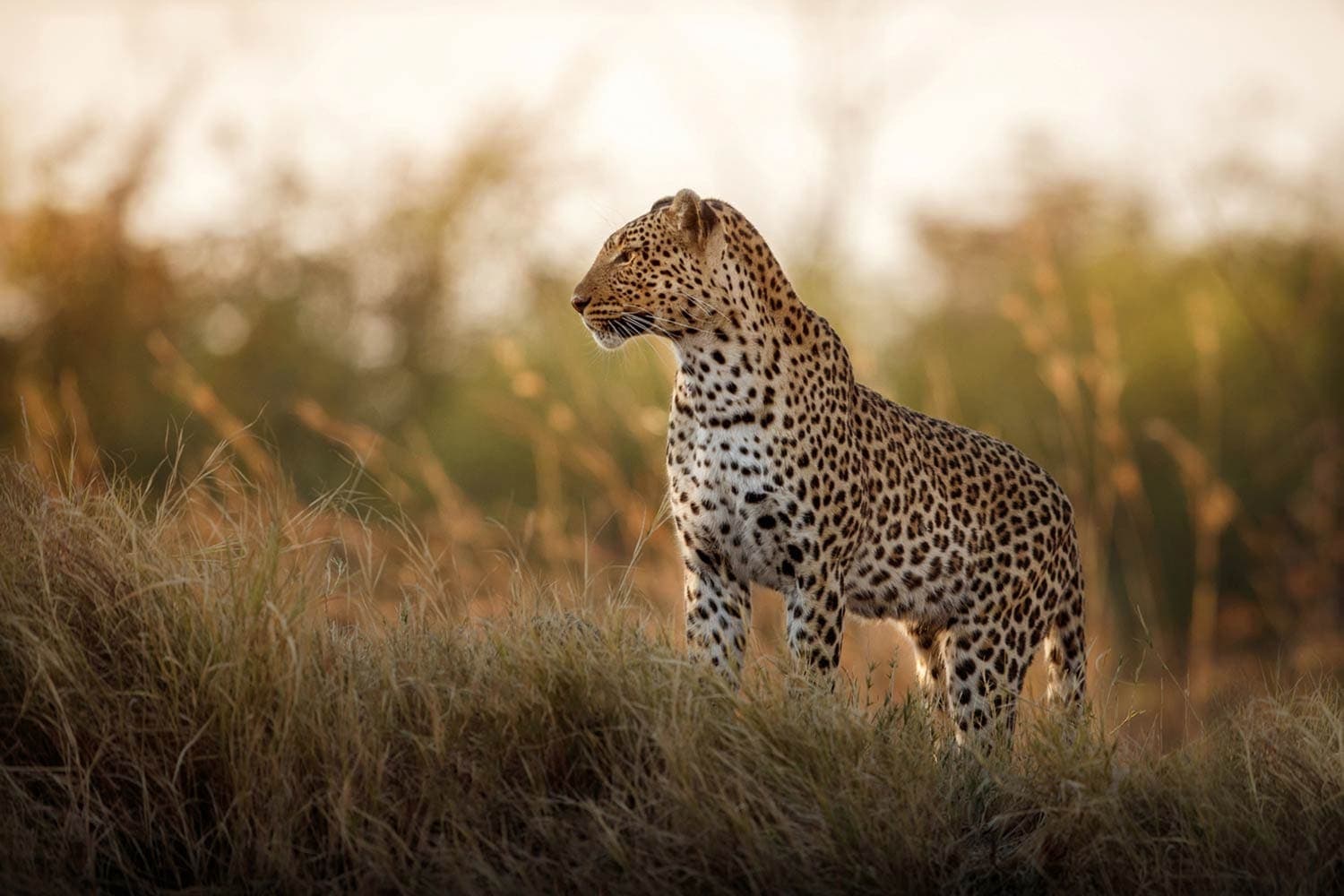
The pressure to deliver Big Five sightings has led to unsustainable traffic jams in many popular reserves. In peak season, it’s not unusual to see 20 or 30 vehicles jostling for position around a leopard in a tree. The most extreme examples are hard to believe; as reported by African Budget Safaris, during the 2025 Great Migration, over 300 vehicles were counted at a single river crossing in the Maasai Mara.
This is not wildlife viewing; it's a traffic jam. The constant engine noise, exhaust fumes, and human chatter create a highly stressful environment for the animals, directly impacting their health and survival.
The consequences are stark. A key study in Kenya, covered by the BBC, found a direct link between high tourist vehicle density and cheetah cub mortality. The chronic stress disrupted hunts, separated mothers from their cubs, and left the young vulnerable to predators like lions and hyenas. The very people who traveled thousands of miles to see these magnificent cats were, without knowing it, contributing to their decline.
This stress forces animals to change their natural behaviors. They might move to less ideal habitats to avoid the crowds, abandon kills because of disruptions, or hunt at odd hours—all of which burns precious energy and impacts their long-term survival. The most intimate moments of their lives are being played out under the relentless gaze of a crowd.
A Trail of Destruction: Damaging the Ecosystem Itself
The environmental cost is just as severe. In the scramble for the perfect photo, guides are often pressured by guests to drive off-road. This is illegal in most national parks for a very good reason. Vehicle tires compact the soil, killing plants and increasing water runoff. Over time, this creates deep, ugly tracks that scar the landscape for decades. Fragile grasslands are turned into dust bowls.
This phenomenon also concentrates tourism's impact. The economic benefits, as noted in a review from UC Berkeley's Economic Review, often flow into a few hyper-popular parks known for the Big Five, while vast, equally vital areas get a fraction of the visitors and revenue. It's a vicious cycle: parks with fewer visitors struggle for conservation funding, which makes them less attractive and drives even more tourists back to the overcrowded hotspots.
Trade the Checklist for a Connection.
Let our local experts design a mindful, immersive safari that respects wildlife and reveals the true magic of the African bush.
A Better Way to Safari: Embracing the Whole Ecosystem
The good news is that a growing movement of conservationists, responsible operators, and smart travelers is pushing back. They are championing a more thoughtful, immersive, and sustainable approach to safari—one that values the entire ecosystem, not just its most famous members.
The “Slow Safari” Philosophy: Quality over Quantity
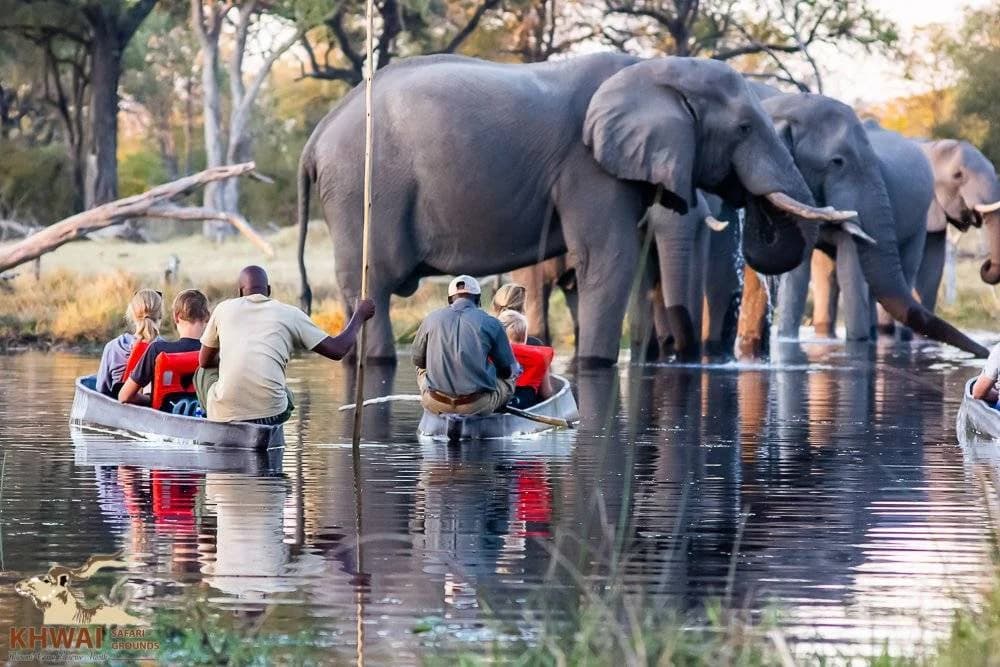
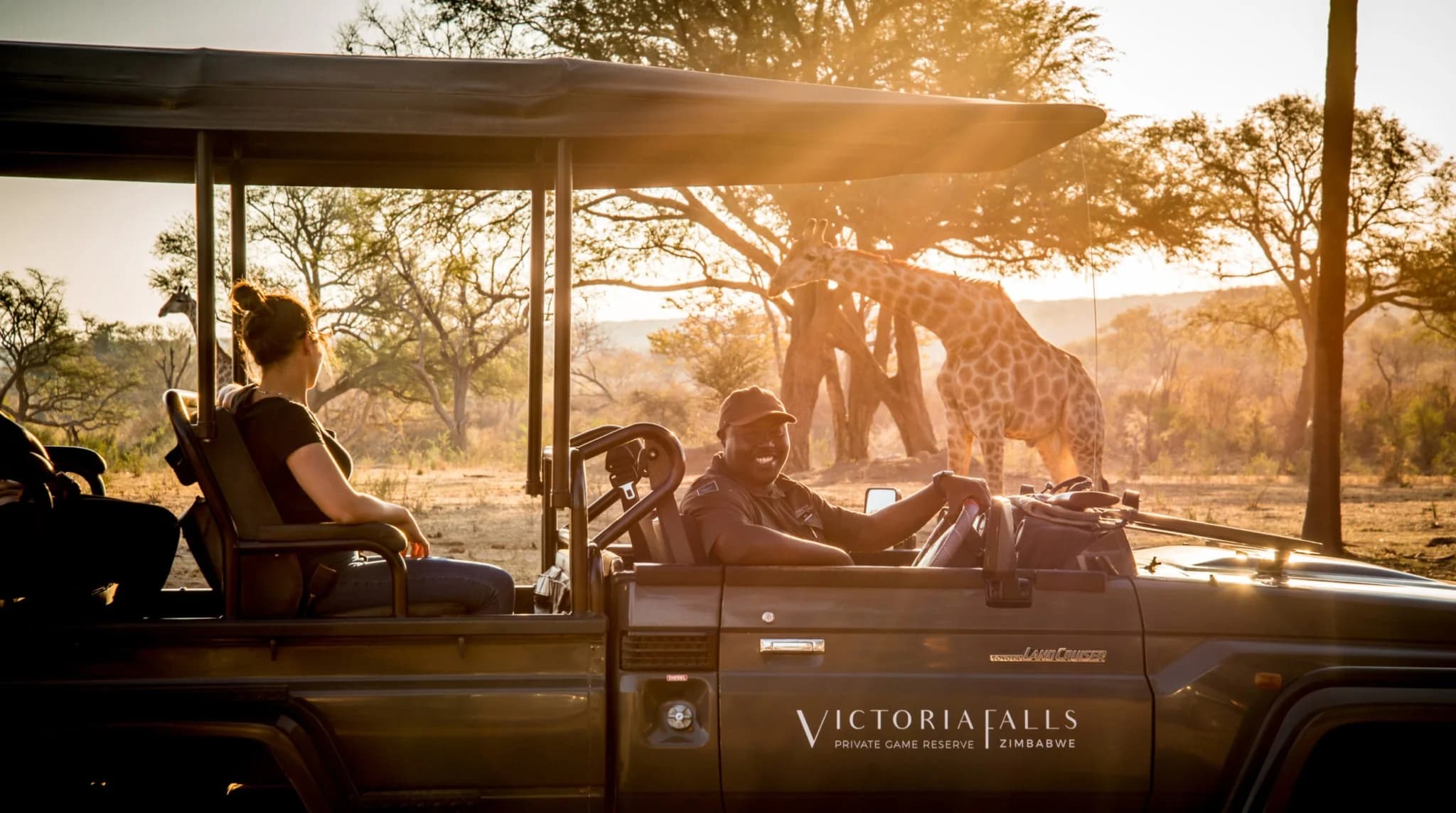
The antidote to the “Ferrari Safari” is the “Slow Safari.” As advocated by industry leaders on the Safari.com Blog, this philosophy is about depth of experience over a long list of sightings. It’s about spending an hour watching a herd of elephants at a waterhole, noticing the subtle social cues and the matriarch’s gentle wisdom. It’s about stopping the vehicle to learn the story written in the tracks in the sand. It’s about turning off the engine to just listen to the chorus of birds and insects.
A slow safari puts the focus back on your guide’s expertise. A great guide does more than spot animals; they interpret the environment. They can explain why a giraffe is chewing on a bone (it's called osteophagy, to get calcium), identify a bird by its call, or show you the intricate partnership between an acacia tree and the ants that protect it. This approach builds a real appreciation for the complexity of the bush.
Expanding Your Wildlife Wishlist: Beyond the Big Five
The best way to break free from the checklist is to get curious about everything else. The African bush is teeming with incredible life. In response, many guides and conservationists have proposed alternative lists to celebrate the unsung heroes of the savanna.
- The Little Five: A fun counterpoint that includes the Elephant Shrew, Antlion, Rhinoceros Beetle, Leopard Tortoise, and the social Buffalo Weaver.
- The Shy Five: A list celebrating the elusive, often nocturnal creatures that are a true privilege to see: the Aardvark, Porcupine, Bat-eared Fox, Aardwolf, and Meerkat.
- The Ugly Five: A fond celebration of the unconventionally beautiful, including the Hyena, Vulture, Wildebeest, Warthog, and Marabou Stork—all of which are vital to the ecosystem.
Beyond these lists lies a world of biodiversity. Take the African Wild Dog (or Painted Dog), one of the continent's most endangered carnivores. Their complex social lives and cooperative hunting strategies make them incredible to watch. For many seasoned safari-goers, an encounter with a pack of Painted Dogs is far more thrilling than seeing another lion.

Birding also adds a whole new dimension to your safari. Southern Africa is home to hundreds of species, from the magnificent Martial Eagle to tiny, jewel-like sunbirds. Learning to identify them adds layers of color, sound, and detail to every moment.

Redefining the Trophy: From Hunting to Conservation
Ultimately, moving beyond the Big Five requires a shift in how we define a “successful” safari. We have to replace the old colonial mindset of conquest with a modern one of appreciation and conservation.
The “New Big Five”: A Modern Conservation Movement
A powerful example of this shift is the “New Big Five” project. Founded by British photographer Graeme Green, this initiative polled wildlife lovers worldwide to create a new list for photography, not hunting. As covered by Adventure.com, the goal was to replace a hunter's legacy with a celebration of wildlife. The chosen animals—Elephant, Lion, Gorilla, Tiger, and Polar Bear—are global icons of biodiversity facing serious threats. The project reframes “shooting” wildlife, turning the camera into a tool for conservation.
This spirit is crucial. The ultimate safari trophy isn't a checklist of photos, but a deep connection to the wilderness. As the conservation organization Tsavo Trust argues, our obsession undermines genuine conservation by creating a skewed idea of what’s important in an ecosystem.
Your Safari, Your Impact: How to Be a Conscious Traveler
As a traveler, you hold the power to drive this change. Your choices—where you go, who you book with, and your attitude in the vehicle—can either continue the problem or become part of the solution.
- Choose Your Destination Wisely: Look beyond the most overcrowded parks. Consider private conservancies with stricter limits on vehicle numbers, or explore lesser-known gems in countries like Zimbabwe and Zambia. Places like Hwange National Park or the Lower Zambezi Valley offer world-class safaris with a fraction of the crowds.
- Vet Your Operator: Ask direct questions before you book. What’s their policy on vehicle numbers at sightings? How do they train their guides on ethical viewing? Do they support local conservation? A responsible operator will be proud to tell you.
- Adjust Your Mindset: This is the most important step. Arrive on safari with curiosity, not a list of demands. Trust your guide and be open to being delighted by the small things. Let the wilderness reveal itself on its own terms.
- Embrace Different Activities: A safari is more than a game drive. A walking safari is one of the most profound ways to connect with the bush. On foot, your senses come alive as you learn about tracking, plants, and the small creatures you’d normally miss.
The Big Five will always be a breathtaking sight. A lion’s roar in the dark or the silent presence of a bull elephant will never lose its power. But they are the headliners, not the whole festival. A truly great safari appreciates the entire orchestra—the patient rhythm of the tortoise, the quick energy of the mongoose, and the soaring melody of the fish eagle. By letting go of a century-old hunting checklist, you don’t lose anything. You gain everything else.
Discussion (0)
No comments yet. Be the first to share your thoughts!
Leave a Comment