

“Everyone knows the thunder and the mist. But the real story of Victoria Falls is in its slow-motion geology, its secret moonbows, and the rainforest that lives in its spray. Here's what we, as locals, wish every visitor knew.
You’ve seen the pictures. A colossal curtain of water thundering into a gorge. But that single, static image doesn’t capture the real Victoria Falls. Beyond the postcard view is a dynamic geological event, a life-giving force that creates its own weather, and a modern destination balancing progress with preservation. Even people who’ve travelled the world are surprised by what they find here. These are the details that reveal the true character of Mosi-oa-Tunya, “The Smoke That Thunders.”
1. The Waterfall is a Geological Marvel on the Move
Here’s a mind-bending fact: the waterfall you see today is just the latest version. Over the past 100,000 years, Victoria Falls has been relentlessly chewing its way upstream in a process called headward erosion. It isn't a fixed landmark, but a slow-motion geological migration.
The entire region sits on a vast basalt plateau formed 180 million years ago. As the volcanic rock cooled, it cracked into a grid of deep, east-to-west fissures that filled with softer sandstone. The Zambezi River, flowing over this plateau, naturally exploits these weak points. As explained by To the Victoria Falls, the water scours out the soft sandstone, undercutting the hard basalt lip until it collapses. The waterfall then retreats upstream to the next fissure. The result is the stunning series of zigzagging gorges downstream—each one marks a former location of the falls.
The Batoka Gorge isn't just a scenic canyon; it's a fossil record of the waterfall's powerful, 100,000-year journey upstream.
This process is still happening. The Devil's Cataract on the Zimbabwean side is the lowest point of the current falls and is thought to be the starting point for the next big shift. When you stand at a viewpoint, you’re witnessing a single moment in a geological story that’s still being written.
2. The “Largest” Waterfall? It’s Complicated.
Victoria Falls is often called the world's "largest" waterfall, but that claim needs a bit of context. It’s not the highest—that title belongs to Angel Falls in Venezuela. And it's not the widest, as Khone Falls in Laos and Iguazu Falls are technically wider. So what gives?
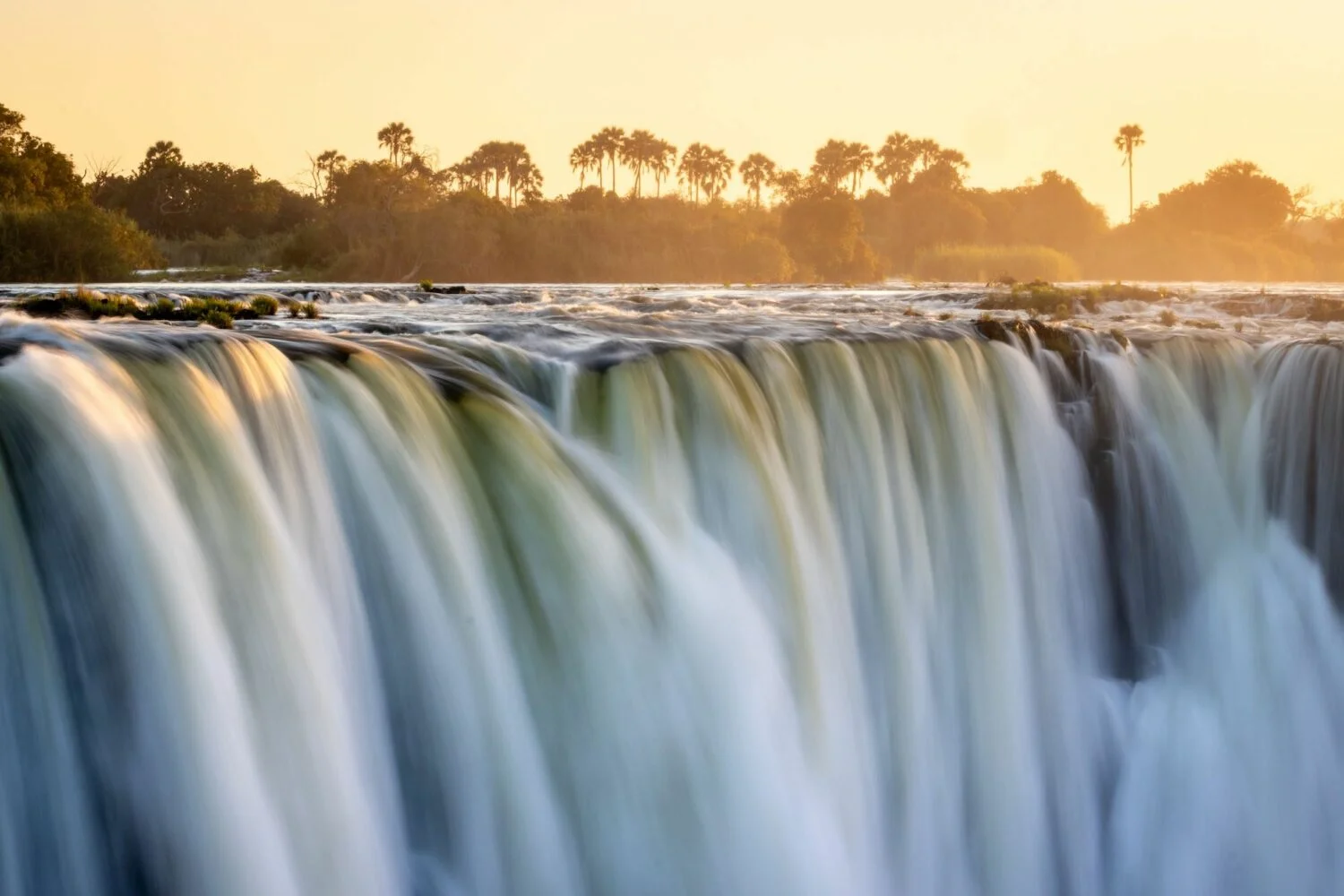
The distinction, as noted by experts like Natural Habitat Adventures, is its combined scale. Victoria Falls forms the largest single, continuous curtain of falling water on Earth. At 1,708 meters (1.06 miles) wide and 108 meters (354 feet) high, its unbroken sheet of water is unparalleled. During peak flood season, more than 500 million cubic meters of water crash into the gorge every minute. It’s this combination of width and height that creates a spectacle of raw power justifying its title.

Try to picture it: a wall of water over a mile wide and as tall as a 35-story building. The roar can be heard 40 kilometers away, and the spray, or "smoke," rises 400 meters into the air. That immense, combined scale is what makes it unique among the world's great waterfalls.
3. The Rainforest That Lives on Mist
One of the most incredible parts of visiting the Falls has nothing to do with the main viewpoints. It’s the experience of walking through the Victoria Falls Rainforest, a lush world that exists entirely because of the waterfall's spray. Located mostly on the Zimbabwean side, this small pocket of land is showered in moisture 24 hours a day, 365 days a year.
This perpetual rain has created a unique microclimate, an isolated patch of tropical forest thriving in what is otherwise semi-arid savanna woodland. According to the Victoria Falls Guide, this constant humidity supports trees you'd never expect to find here, like mahogany, ebony, and wild date palms. The forest floor is a tangle of ferns, lianas, and delicate flowers like the Flame Lily, Zimbabwe's national flower. It's a perfect example of the life-giving power of the falls, creating a haven for birds, insects, and small mammals.
A walk here is a full sensory experience. The air is thick with the scent of wet earth, and the sound is a mix of the Falls' roar and the calls of trumpeter hornbills. A local guide can turn a beautiful stroll into a fascinating lesson in ecology.
Ready to Experience the Real Victoria Falls?
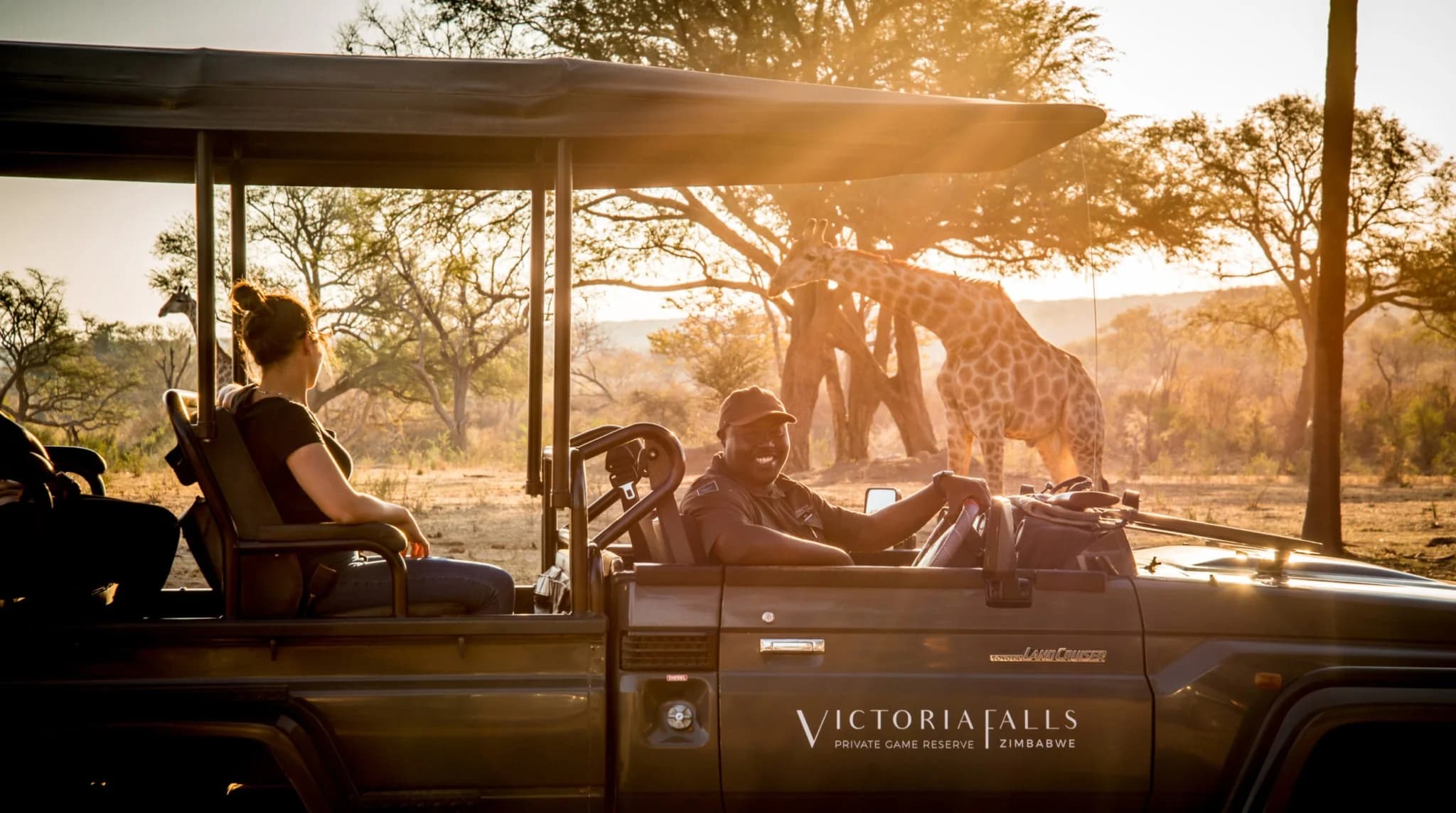
Go beyond the facts. We'll help you plan a seamless trip built on real local knowledge, from rainforest tours to safari stays.
4. The Secret of the Moonbow
While spectacular by day, the Falls hides a rare phenomenon that only appears after dark: the lunar rainbow, or 'moonbow.' Instead of sunlight, a moonbow is formed when the light from a full moon refracts through the mist from the waterfall.
The sight is ethereal. The colors are far fainter than a daytime rainbow, often appearing as a ghostly white or silvery arch to the naked eye. Long-exposure photography, however, can capture the full spectrum. Seeing one requires a perfect storm of conditions:
- A Full Moon: The moon must be at its brightest.
- High Water: There must be enough water flowing to create a huge amount of spray. The best months are usually February to July.
- Clear Skies: No clouds can be blocking the moon.
As travel experts at Discover Africa point out, planning your trip around the full moon in the high-water season gives you a chance to witness this. The national parks on both sides often open for special nighttime viewings during this period, letting visitors hunt for this elusive, beautiful sight.

5. The Two Faces of the Zambezi River
This might be the most important tip we give our guests: the Victoria Falls you see in April is a completely different experience from the one you'll see in October. The annual rhythm of the Zambezi River dictates everything. The river's flow, tracked by the Zambezi River Authority, varies dramatically.
High Water Season (approx. February to June)
After the summer rains in Angola, the Zambezi swells to its peak. This is the Falls at its most thunderous and powerful. The spray is so intense it can completely obscure the base of the waterfall, and you will get soaked. While the raw power is incredible, photography from the ground can be tricky. This is the absolute best time for a “Flight of Angels” helicopter tour to grasp the full 1.7-kilometer scale.
Low Water Season (approx. August to January)
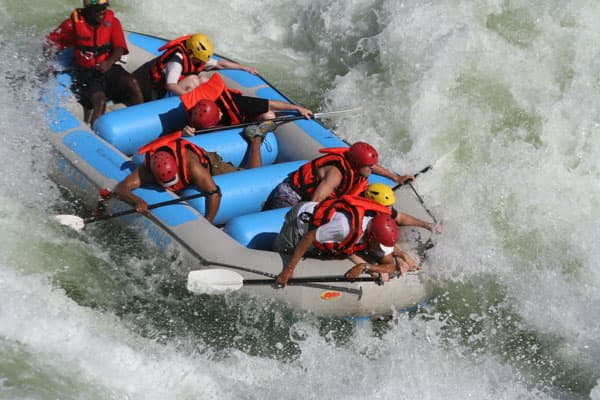
As the dry season sets in, the river's volume drops, hitting its lowest point around November. The torrent recedes to reveal the sheer basalt rock face, especially on the Zambian side. It’s less about overwhelming power and more about dramatic geology. This season opens up unique activities, like visiting the famous Devil's Pool on the edge of the precipice or tackling the world-class white-water rafting in the Batoka Gorge, where lower water creates bigger rapids.
6. A World Heritage Site at a Crossroads
Victoria Falls isn't just a park; it's a bustling hub of conservation, community, and commerce. As a UNESCO World Heritage site, it faces the constant challenge of balancing tourism's economic benefits with the need for environmental preservation.
The city’s importance was recently highlighted when it was chosen to host the 15th Conference of the Parties to the Convention on Wetlands (Ramsar COP15), bringing global attention to the health of the Zambezi basin, as reported by BirdLife International. This shows the region's key role in environmental stewardship.
But development brings friction. Recent plans for new luxury hotels and a controversial cricket stadium have sparked concern among conservationists. Groups like Keep Victoria Falls Wild are campaigning against projects they argue threaten the site's sensitive buffer zones. This debate is a crucial part of the modern Victoria Falls story—a reminder that your travel choices can support a sustainable future for this irreplaceable landmark.
To really understand Victoria Falls is to see all its layers: a place of geological power, a creator of unique ecosystems, and a site of breathtaking beauty. It’s also a community navigating the challenges of the 21st century. A visit here is more than a photo-op; it’s a chance to connect with a living, evolving wonder of the world.
Discussion (0)
No comments yet. Be the first to share your thoughts!
Leave a Comment