








“From the safety briefing to the final paddle, here’s what to expect on your first white water rafting adventure. We cover rapid classes, what to wear, and how to prepare for an unforgettable day on the river.
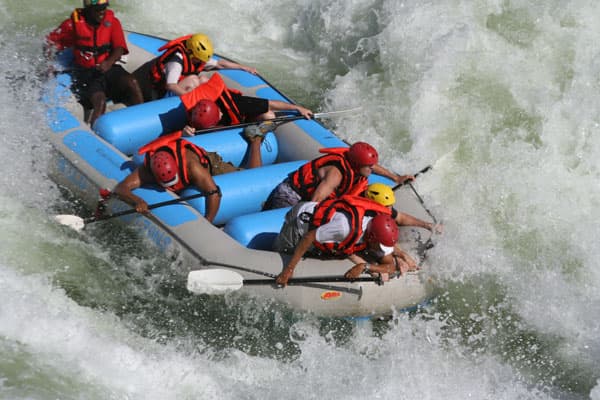
It starts as a low rumble, then builds to a roar. The calm, dark water ahead explodes into a chaos of white waves. Your guide yells a command, your team digs in, and the raft surges into the heart of the rapid. This is white water rafting—a mix of raw adrenaline, teamwork, and the sheer power of nature.
But what does it really take to get from the riverbank into the action? Whether you're planning a gentle float or a world-class challenge, knowing the basics is key. This guide breaks down what to expect on a rafting trip, from the first safety talk to the celebratory drink at the end.
Understanding the Rapids: What Do the Classes Mean?
Rapids aren't all the same. Their power is graded on the International Scale of River Difficulty, a system that classifies sections from a gentle Class I to an unrunnable Class VI. Understanding this helps you pick a trip that matches the adventure you're looking for.
Class I: Easy. Think fast-moving water with small waves. Perfect for a relaxing float trip.
Class II: Novice. Clear, straightforward rapids with wide channels. You might need to maneuver a bit, but it's ideal for beginners.
Class III: Intermediate. You'll find moderate, irregular waves that require good paddle control and teamwork to navigate. Many of the best commercial trips run through Class III water.
Class IV: Advanced. Intense and powerful, but predictable rapids. This requires precise boat handling in turbulent water and is a real step up in adrenaline.
Class V: Expert. These are long, violent, or obstructed rapids with a higher degree of risk. Expect large, unavoidable waves and drops. According to the International Rafting Federation, these are for expert teams only.
Class VI: Extreme and Exploratory. Considered effectively unnavigable, these rapids are rarely attempted. Commercial trips do not run Class VI water.

A Typical Rafting Day: From Briefing to Take-Out
A guided rafting trip is a well-oiled machine, designed for maximum fun and safety. While every river is different, most full-day trips follow a similar rhythm.
Arrival and Check-In: You’ll meet your guides and fellow rafters, sign waivers, and get a quick overview of the day ahead.
The Safety Briefing: Pay attention here—this is the most important part of your day. Your lead guide will cover how to sit, hold your paddle, and respond to commands like “Forward,” “Back,” and “Get down!” They’ll also demonstrate what to do if you fall out and how to help pull someone back into the raft.
Gearing Up: You'll get your essential safety gear: a helmet and a personal flotation device (PFD), or life jacket. Make sure both fit snugly.
On the Water: After getting to the put-in point, you'll get settled in the raft. The first few minutes are usually on calm water, giving you a chance to practice paddling together as a team.
Navigating the River: Your day becomes a pattern of peaceful floats broken by intense rapids. The calm sections are your chance to swim, catch your breath, and admire the scenery. Before each major rapid, your guide will tell you its name and what to expect, then call out the commands to get you through.
The Take-Out: At the end of the run, you’ll paddle to the designated take-out spot. The journey out of the gorge can be a tough hike, but the feeling of accomplishment—and the cold drink waiting for you—is always worth it.
What to Wear (and What to Leave Behind)
What you wear can make or break your day on the river. The golden rule is simple: no cotton. It soaks up water, gets heavy, and will leave you shivering.
What to Wear:
Swimsuit or Quick-Drying Shorts: Your base layer.
Synthetic Shirt: A rash guard or any non-cotton athletic top is perfect.
Secure Footwear: Old sneakers, or river sandals with a heel strap. Flip-flops are guaranteed to be lost to the river.
Sun Protection: Waterproof sunscreen is a must, along with a hat that won’t fly off and sunglasses secured with a strap.
Wetsuit (if provided): For colder water, your operator will provide a wetsuit.
What to Leave Behind:
Valuables: Leave jewelry, watches, and anything you can’t afford to lose in a locker.
Electronics: Your phone and non-waterproof camera should stay behind.
Cotton Clothing: It’s worth saying twice—leave the cotton at home.
Plan Your Ultimate Rafting Adventure
Is White Water Rafting Safe?
It's the first question on everyone's mind. While any adventure has inherent risks, professionally guided rafting has an excellent safety record. Operators live and breathe this stuff, investing heavily in guide training, equipment, and emergency planning.
According to a study cited by Outdoor Norway, the injury rate for guided rafting is statistically very low, comparable to activities like bowling when managed by certified professionals.
Your guide is your most important piece of safety equipment. Listen to them. Follow their commands. It's the single best way to ensure you have an incredible, safe day.

Choosing Your Adventure: Seasons and Water Levels Matter
A river is a living thing, and its personality changes with the seasons. Water levels, dictated by rainfall, determine everything—the speed, the power, and the type of rapids you'll face.
The Zambezi River below Victoria Falls is a perfect example and is widely seen as the best one-day rafting trip in the world. As local operators like Wild Horizons explain, the experience is completely different depending on the time of year.
Low-Water Season (Approx. August - December): The river is lower and faster, exposing more rocks to create technical, thrilling rapids. This is when the Zambezi's most famous rapids are at their absolute peak.
High-Water Season (Approx. January - July): The river is a high, powerful torrent that washes out smaller rapids but creates massive waves and whirlpools. During the peak flood, rafting may be suspended for safety, a fact confirmed by experts at Shockwave Victoria Falls.
This is true for rivers everywhere. Always ask your operator about the current conditions and what kind of trip you can expect for the time of year you plan to visit.
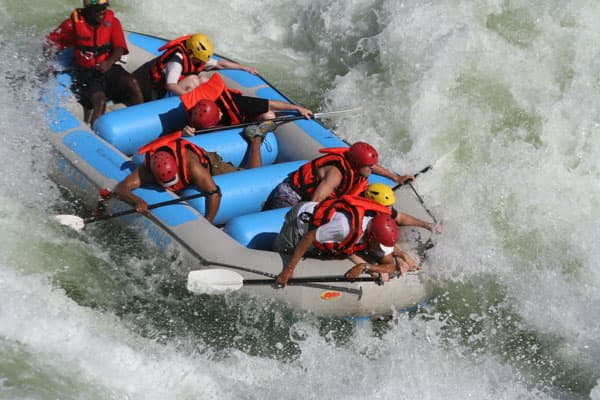
A day on the river is more than just an adrenaline rush. It’s a challenge, a chance to connect with your team, and an opportunity to see nature at its most raw and powerful. Pick a great operator, listen to your guide, and get ready for an adventure you'll be talking about for years.
Discussion (0)
No comments yet. Be the first to share your thoughts!
Leave a Comment